


Chainise plam...
Ah, got it! It seems like you're referring to "Palm Plants." Palms are a diverse group of tropical and subtropical plants known for their distinctive, often large, compound leaves and a variety of shapes and sizes. Here's a brief overview:1. Foliage: Palms are characterized by their large, often fan-shaped or feather-like leaves. The leaves can be green or have variations of green, and some palms have silver or blue-green foliage.2. Growth Habit: Palms can have a single trunk or multiple trunks. The growth habit varies among species, with some palms having a compact, clumping form, while others have a more solitary, towering appearance.3. Types of Palms: There are many types of palms, each with its own unique features. Some common types include the Areca Palm, Majesty Palm, Kentia Palm, and Date Palm, among others.4. Indoor and Outdoor Use: While some palms are well-suited for indoor environments, others thrive outdoors in tropical or subtropical climates. Popular indoor palms are often chosen for their adaptability to low-light conditions.5. Sunlight: Most palms prefer bright, indirect light, but the specific light requirements can vary. Some palms, like the Kentia Palm, can tolerate lower light levels, while others, like the Majesty Palm, prefer brighter conditions.6. Watering: Palms generally prefer consistently moist but well-draining soil. Allow the top inch of soil to dry out between waterings, and avoid overwatering, which can lead to root rot.7. Soil: Use a well-draining potting mix for container-grown palms. Outdoors, they prefer soil that is rich in organic matter and drains well.8. Fertilizing: Palms benefit from regular fertilization during the growing season (spring and summer). Use a balanced fertilizer, and follow the recommended application rates.9. Pruning: Remove yellow or damaged fronds regularly. Pruning requirements vary among species, but in general, it's advisable to trim away dead or unsightly foliage.10. Temperature: Palms are generally tropical or subtropical plants and are sensitive to frost. Ensure they are protected from cold temperatures, especially if grown in non-native climates.Palms add a touch of tropical elegance to both indoor and outdoor spaces. If you have a specific type of palm in mind or if you have any specific questions about palm care, feel free to let me know!


Cycus Plam...
Ah, got it! It seems like you're referring to "Palm Plants." Palms are a diverse group of tropical and subtropical plants known for their distinctive, often large, compound leaves and a variety of shapes and sizes. Here's a brief overview:1. Foliage: Palms are characterized by their large, often fan-shaped or feather-like leaves. The leaves can be green or have variations of green, and some palms have silver or blue-green foliage.2. Growth Habit: Palms can have a single trunk or multiple trunks. The growth habit varies among species, with some palms having a compact, clumping form, while others have a more solitary, towering appearance.3. Types of Palms: There are many types of palms, each with its own unique features. Some common types include the Areca Palm, Majesty Palm, Kentia Palm, and Date Palm, among others.4. Indoor and Outdoor Use: While some palms are well-suited for indoor environments, others thrive outdoors in tropical or subtropical climates. Popular indoor palms are often chosen for their adaptability to low-light conditions.5. Sunlight: Most palms prefer bright, indirect light, but the specific light requirements can vary. Some palms, like the Kentia Palm, can tolerate lower light levels, while others, like the Majesty Palm, prefer brighter conditions.6. Watering: Palms generally prefer consistently moist but well-draining soil. Allow the top inch of soil to dry out between waterings, and avoid overwatering, which can lead to root rot.7. Soil: Use a well-draining potting mix for container-grown palms. Outdoors, they prefer soil that is rich in organic matter and drains well.8. Fertilizing: Palms benefit from regular fertilization during the growing season (spring and summer). Use a balanced fertilizer, and follow the recommended application rates.9. Pruning: Remove yellow or damaged fronds regularly. Pruning requirements vary among species, but in general, it's advisable to trim away dead or unsightly foliage.10. Temperature: Palms are generally tropical or subtropical plants and are sensitive to frost. Ensure they are protected from cold temperatures, especially if grown in non-native climates.Palms add a touch of tropical elegance to both indoor and outdoor spaces. If you have a specific type of palm in mind or if you have any specific questions about palm care, feel free to let me know!
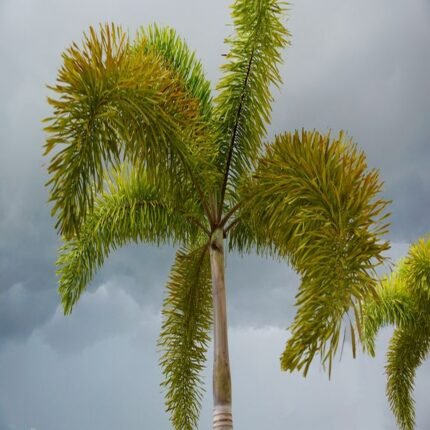
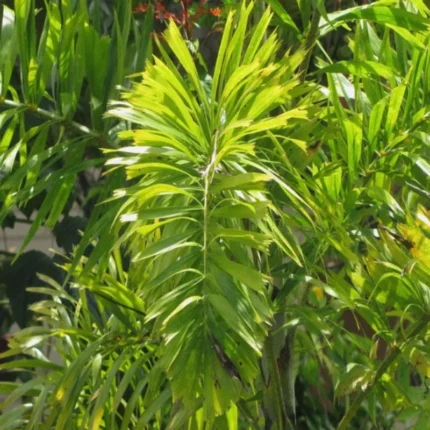
Foxtail Plamm...
The Fox Tail Palm (Wodyetia bifurcata) is a stunning tropical tree known for its distinctive, feathery fronds that resemble a fox's tail. Native to Australia, this palm can reach heights of 30 feet and is often admired for its elegant appearance and easy maintenance. It thrives in well-drained soil and prefers full sun to partial shade, making it a popular choice for landscaping in warmer climates. With its unique silhouette and lush foliage, the Fox Tail Palm adds a touch of tropical flair to any garden or outdoor space.