

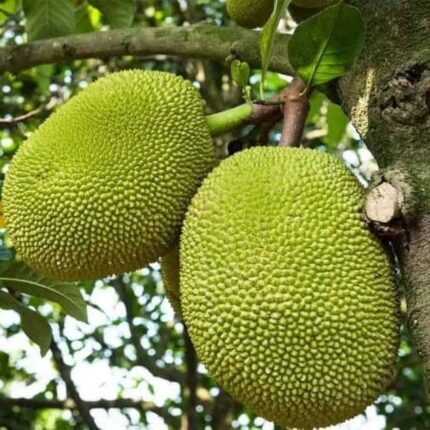
Gumless Jackfruit Grafted & Hybrid Fruit Plant
Jackfruit is the largest tree fruit, reaching up to 80 pounds. Ripe jackfruit has a sweet taste resembling a mix of mango, banana, pineapple, and melon. Its fibrous texture makes it a popular meat substitute in vegetarian dishes. Rich in fiber and nutrients, jackfruit is a staple in tropical cuisines and is used in both savory and sweet recipes.
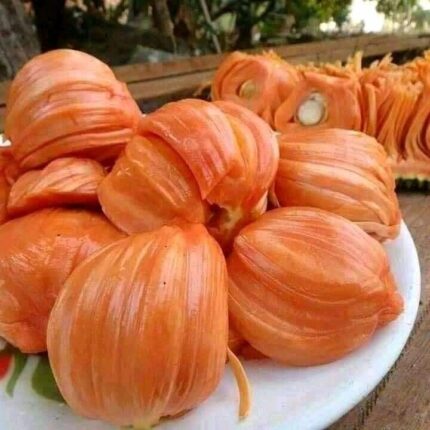
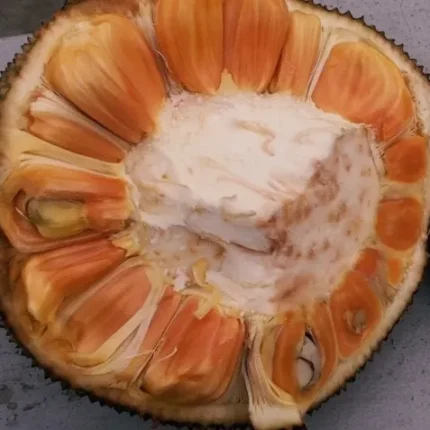
Gumless Red Jackfruit Grafted & Hybrid Fruit Plant
Jackfruit is the largest tree fruit, reaching up to 80 pounds. Ripe jackfruit has a sweet taste resembling a mix of mango, banana, pineapple, and melon. Its fibrous texture makes it a popular meat substitute in vegetarian dishes. Rich in fiber and nutrients, jackfruit is a staple in tropical cuisines and is used in both savory and sweet recipes.



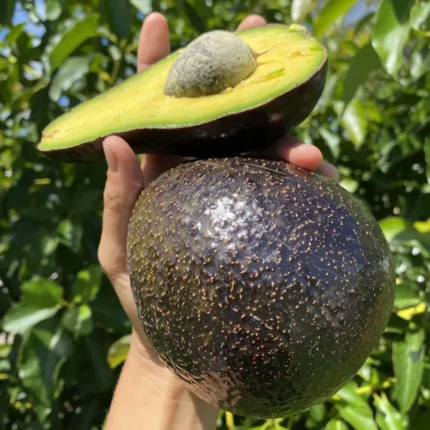
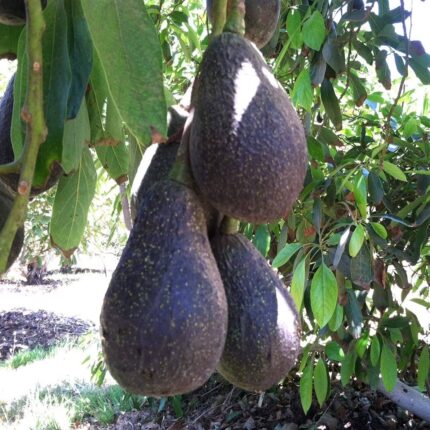
Hass Avocado Fruit Plant
Avocado trees, evergreen and reaching up to 80 feet, yield distinctive fruits with creamy, buttery flesh. Popular varieties like Hass and Fuerte offer diverse flavors. Thriving in subtropical climates, avocados need well-draining soil and protection from frost. They bear greenish-yellow flowers in spring and are self-pollinating. Harvest when the skin changes color. Avocados are not just delicious; they're packed with nutrients and heart-healthy fats. Regular pruning and proper care ensure a fruitful avocado tree.
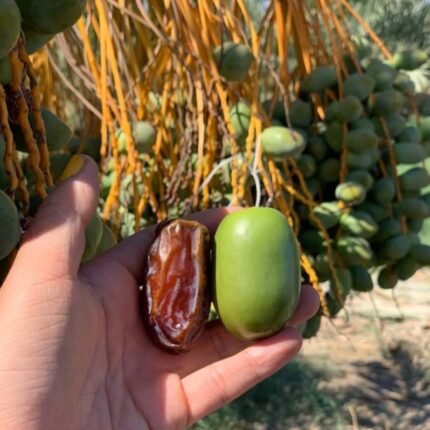
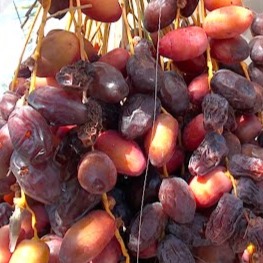
Hayani Variety Date Plum | Live Plant
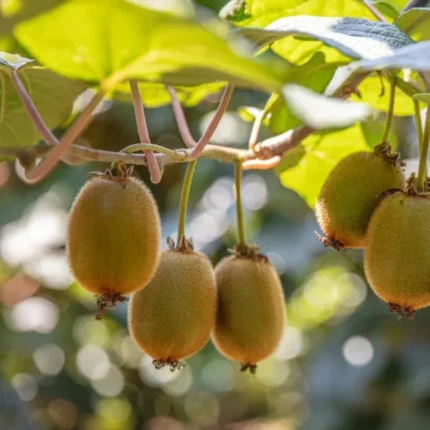
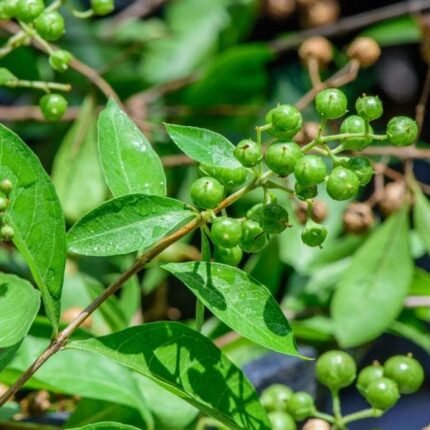
Date plum, or Diospyros lotus, is a deciduous tree prized for its small, sweet fruit resembling plums. Native to the Mediterranean and parts of Asia, it grows up to 30 feet tall with glossy leaves. Adaptable to various soils and climates, it's both ornamental and culinary, with cultural significance in folklore and traditional medicine. Easy to maintain, it's a charming addition to gardens, valued for its fruit, wood, and autumnal foliage.
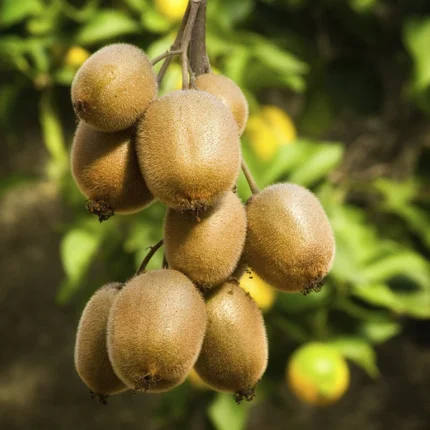
Heena – Mehendi Plant
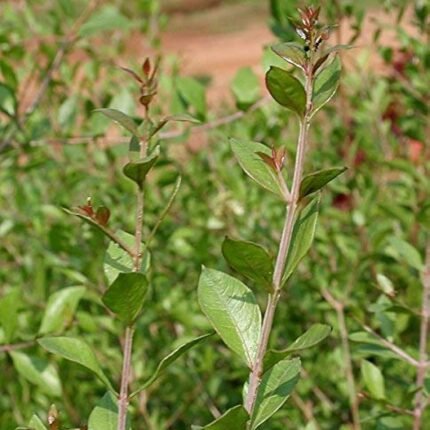
Henna (Lawsonia inermis) is a flowering plant native to North Africa, Western/South Asia, and Northern Australasia. Known for its leaves containing lawsone, it produces a natural dye. Used for centuries in cultural and religious ceremonies, henna is applied as body art or hair dye. The dried, ground leaves create a paste, applied to stain the skin or color hair. Henna has historical and medicinal significance, with traditional uses in treating various ailments. Its popularity extends globally for its cosmetic versatility and cultural expressions.

Heliconia Rostrata Flowering Plants
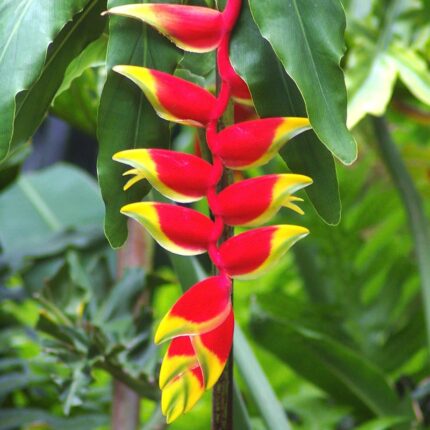
Heliconia rostrata, also known as Hanging Lobster Claw, is a tropical plant native to Central and South America. Recognized for its vibrant, pendulous bracts resembling lobster claws, it adds a striking touch to gardens. Thriving in warm, humid conditions, it attracts hummingbirds and is a favorite in tropical landscapes.
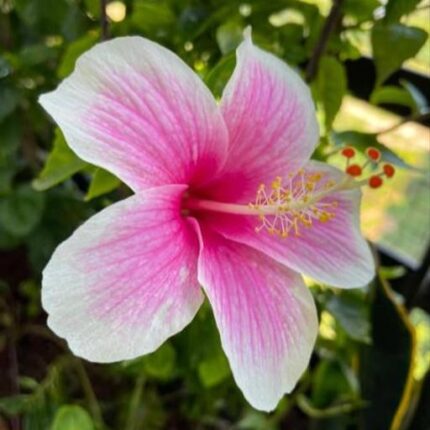
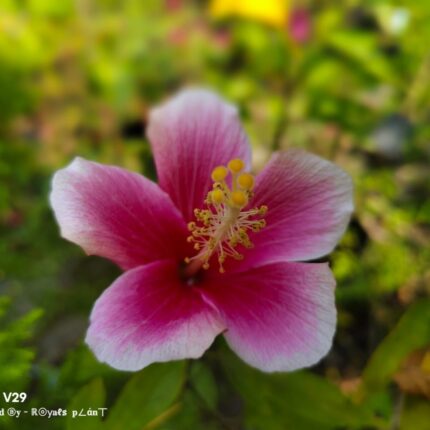
Hibiscus 365 Days Flowers Plant
Hibiscus, often admired for its vibrant and showy blossoms, is a genus encompassing hundreds of flowering plants belonging to the mallow family, Malvaceae. These plants can be found in various parts of the world, especially in tropical and subtropical regions. Known for their large, trumpet-shaped flowers, hibiscus blooms come in an array of colors, including red, pink, yellow, and white. Apart from their aesthetic appeal, some species of hibiscus are also cultivated for medicinal and culinary purposes. The plant's versatility extends beyond its beauty, making it a fascinating addition to gardens and landscapes.
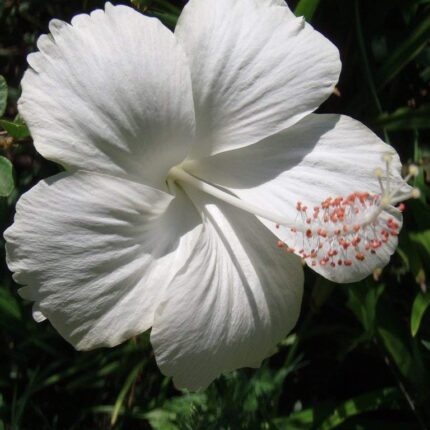
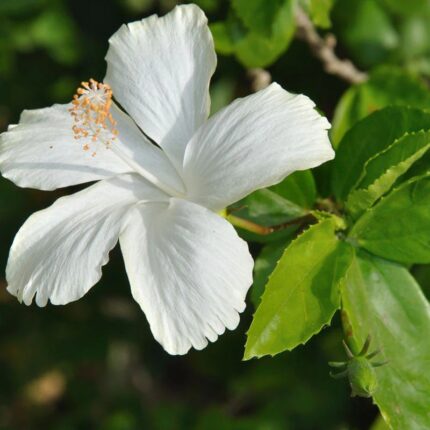
Hibiscus Flower Plant – White
Hibiscus, often admired for its vibrant and showy blossoms, is a genus encompassing hundreds of flowering plants belonging to the mallow family, Malvaceae. These plants can be found in various parts of the world, especially in tropical and subtropical regions. Known for their large, trumpet-shaped flowers, hibiscus blooms come in an array of colors, including red, pink, yellow, and white. Apart from their aesthetic appeal, some species of hibiscus are also cultivated for medicinal and culinary purposes. The plant's versatility extends beyond its beauty, making it a fascinating addition to gardens and landscapes.
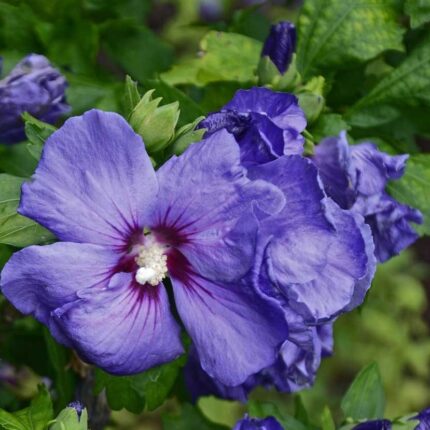
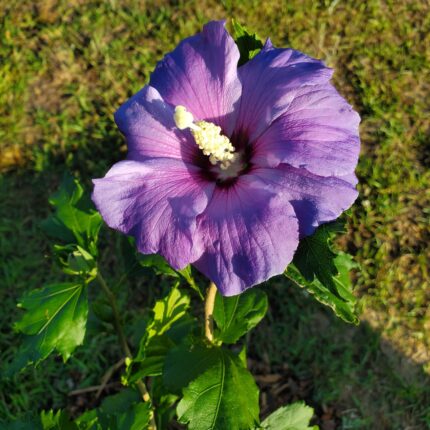
Hibiscus Flower Plants – Pure Blue
Hibiscus, often admired for its vibrant and showy blossoms, is a genus encompassing hundreds of flowering plants belonging to the mallow family, Malvaceae. These plants can be found in various parts of the world, especially in tropical and subtropical regions. Known for their large, trumpet-shaped flowers, hibiscus blooms come in an array of colors, including red, pink, yellow, and white. Apart from their aesthetic appeal, some species of hibiscus are also cultivated for medicinal and culinary purposes. The plant's versatility extends beyond its beauty, making it a fascinating addition to gardens and landscapes.

