Hybrid-Rudrakhas Fruit Plant
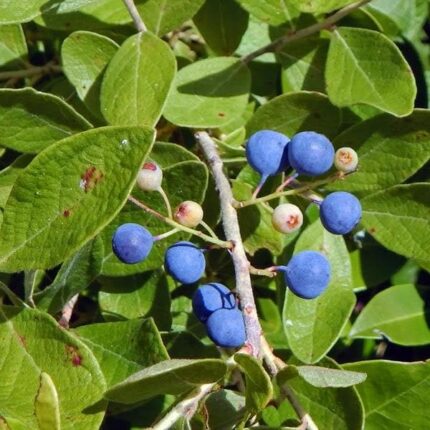
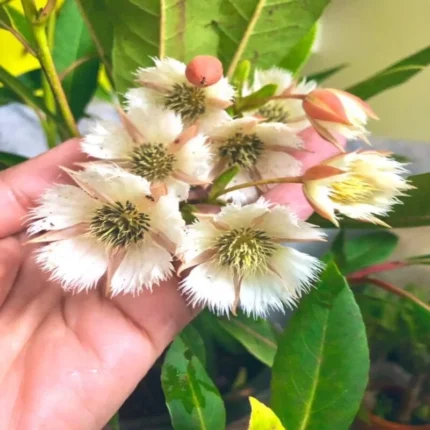
The Rudraksha tree, scientifically known as Elaeocarpus ganitrus, is native to the Himalayan region of Southeast Asia. Its seeds, known as Rudraksha beads, hold great religious and spiritual significance in Hinduism. The tree's small, round fruit resembles a blueberry and is valued for its seeds rather than its taste. Rudraksha trees are also used in traditional Ayurvedic medicine. Cultivation efforts aim to meet the demand for Rudraksha beads sustainably while preserving their natural habitat.
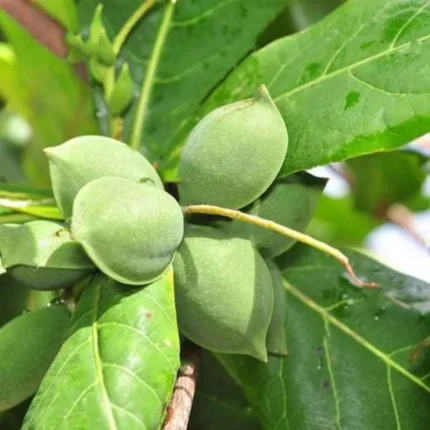
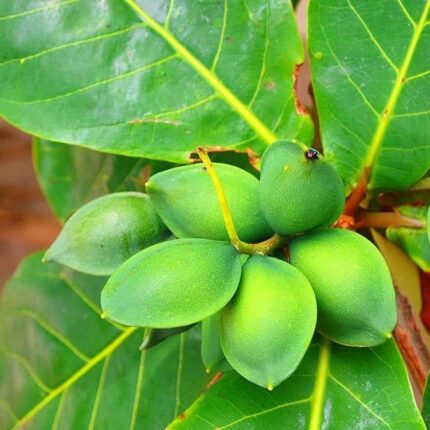
Indian Almond Fruit Plant
Almond plants, scientifically known as Prunus dulcis, are small deciduous trees cultivated for their edible seeds, almonds. Native to the Middle East and South Asia, these trees produce fragrant flowers in spring, leading to the development of almond drupes containing the prized almond kernels. With nutritional benefits and versatile culinary uses, almonds are a significant agricultural crop, contributing to the economies of various countries, including the United States, Spain, Iran, and Morocco.
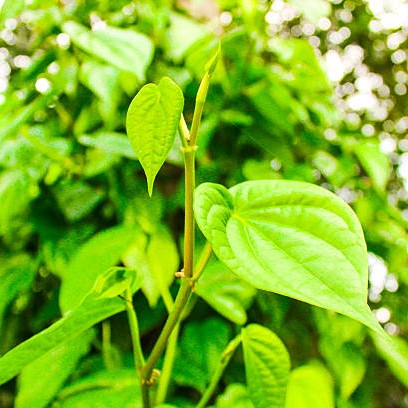
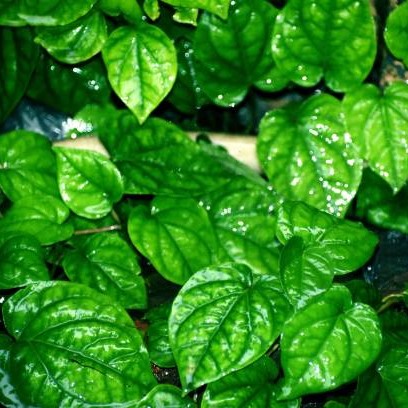
Indian Betel Leaf Plant
The betel leaf plant, scientifically known as Piper betle, is a vine belonging to the Piperaceae family. Here's a description of the betel leaf plant:Cultivating betel leaf plants can be a rewarding experience, especially for those who appreciate its cultural and culinary significance. If you're interested in growing it, consider the climate and conditions in your area to provide the best environment for its growth.
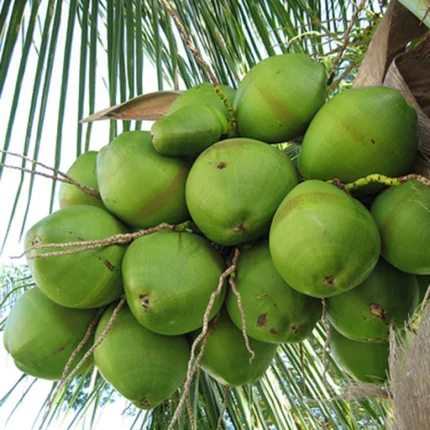
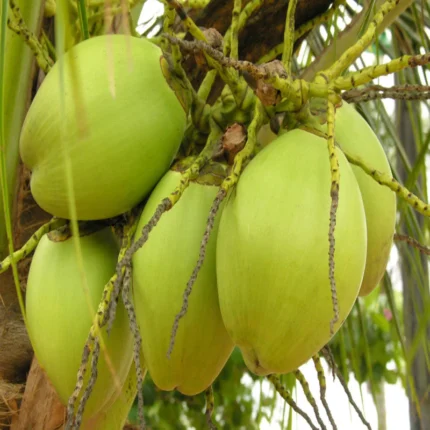
Indian Coconut Fruit Plant
Coconut plants are tall, elegant trees with feather-like leaves. They produce clusters of coconuts, each containing edible white meat and refreshing coconut water. Adapted to tropical climates, coconut palms are versatile—providing food, materials, and a coastal charm. Every part of the tree is used, showcasing sustainability.
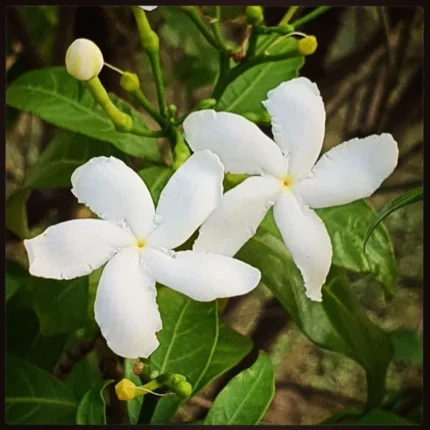
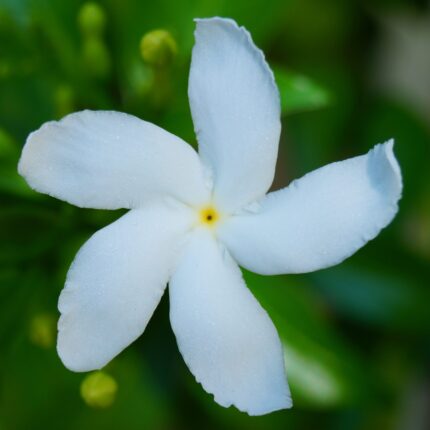
Indian Jasmine Flower Plant- White
The Cape Jasmine, or Gardenia jasminoides, is an evergreen shrub native to Asia, known for its fragrant white flowers and glossy green leaves. It grows up to 6 feet tall, blooms in late spring to early summer, and thrives in acidic, well-drained soil with partial shade to full sun exposure. Prized for its ornamental and aromatic qualities, it symbolizes purity and love in various cultures.
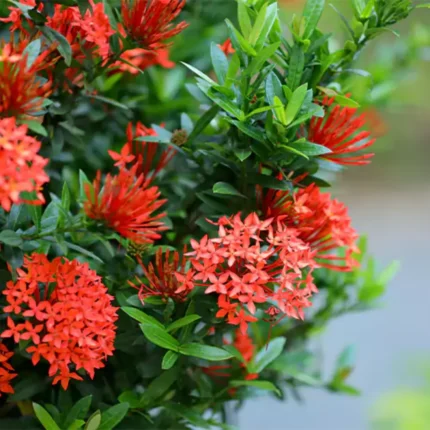
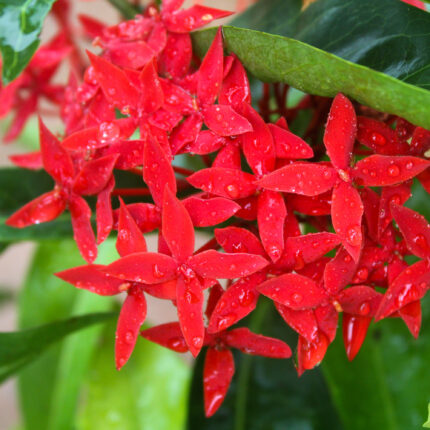
Ixora Flower Plant (Red)
Ixora is a genus of flowering plants that includes around 500 species, commonly found in tropical and subtropical regions. One of the most popular species is Ixora coccinea, known for its vibrant and attractive flowers. The plant is characterized by its glossy green leaves and dense clusters of small, tubular flowers that come in various colors such as red, orange, yellow, and pink.Ixora plants are often used for ornamental purposes in gardens and landscapes due to their colorful blooms and ability to attract butterflies and hummingbirds. They thrive in well-drained soil and prefer a sunny or partially shaded location. With proper care, Ixora can be a stunning addition to any garden, bringing a burst of color and tropical charm.
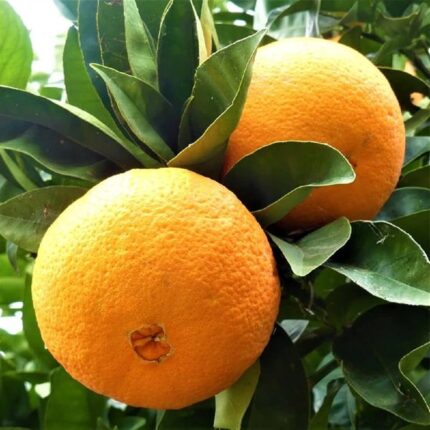
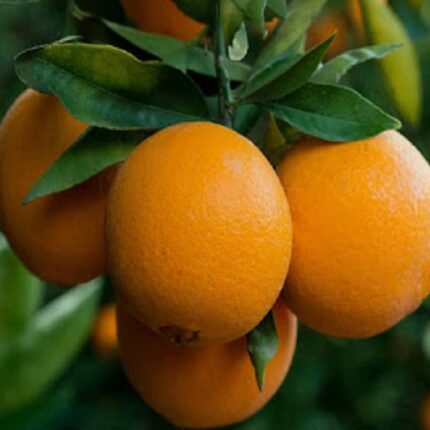
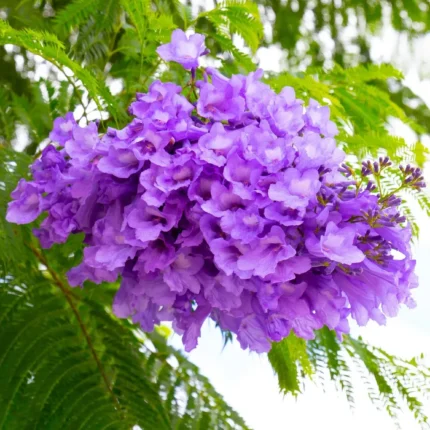
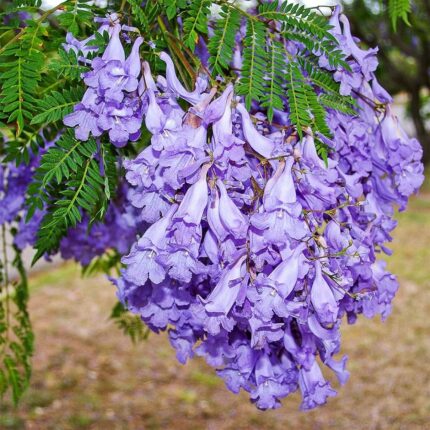
Jacaranda Mimosifolia Flower Plant
Jacaranda plants, known for their vibrant purple blooms, are prized ornamental trees native to South America. With trumpet-shaped flowers and fern-like foliage, they add a picturesque touch to landscapes worldwide. Celebrated for their beauty and cultural significance, jacarandas thrive in sunny, well-drained areas, symbolizing renewal and grace in many regions.
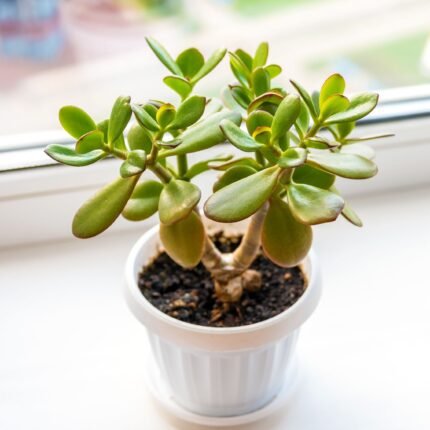

Jade Plant
The jade plant, or Crassula ovata, is a popular succulent known for its fleshy, round leaves and tree-like appearance. Native to South Africa, it's often grown indoors as an ornamental plant. The jade plant is celebrated for its ease of care, thriving in bright light and requiring minimal water. It's also considered a symbol of good luck and prosperity in many cultures, making it a charming and meaningful addition to home decor.