
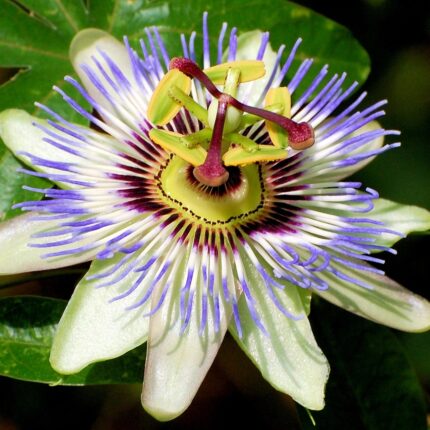

Passion Flower Plants – White
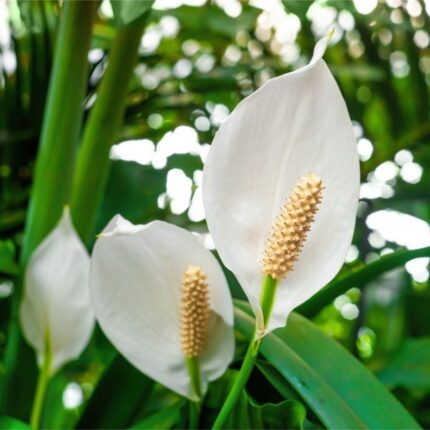
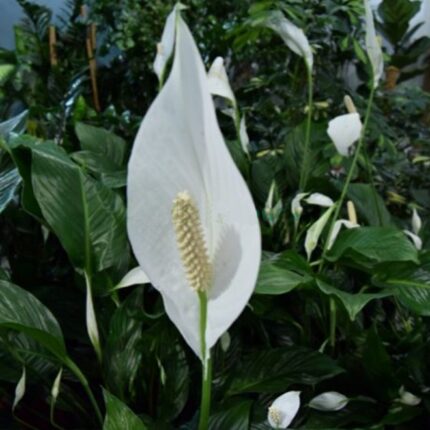
Peace Lily Flower Plant – White
Ginger Lily, part of the Zingiberaceae family, is a striking flowering plant native to Asia. Known for its vibrant and fragrant flowers in colors like white, yellow, orange, and pink, it adds charm to gardens. With long, lance-shaped leaves, it's both visually appealing and culturally significant in traditional medicine.
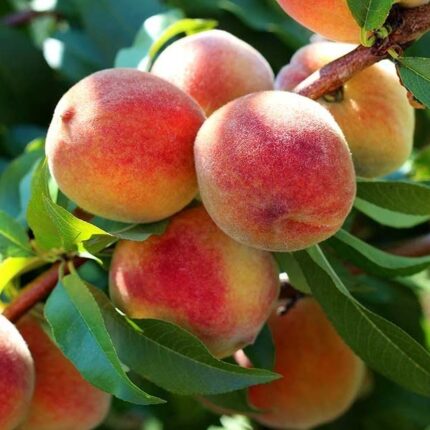
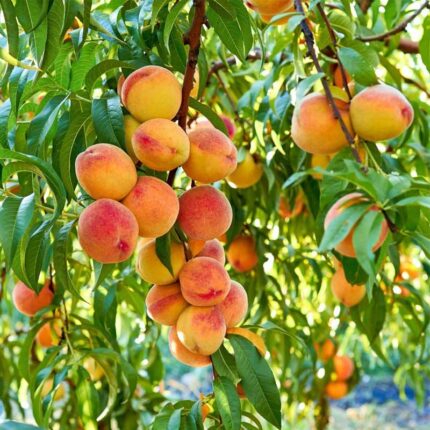
Peach Grafted & Hybrid Fruit Plant
Peach trees, scientifically known as Prunus persica, are deciduous fruit trees celebrated for their sweet and juicy peaches. Originating from China, these trees have been cultivated for thousands of years and have become a staple in orchards and gardens worldwide. The peach fruits are renowned for their fuzzy skin, vibrant colors ranging from yellow to red, and succulent, aromatic flesh. Peach trees thrive in temperate climates, producing a delightful harvest in late spring to early summer.
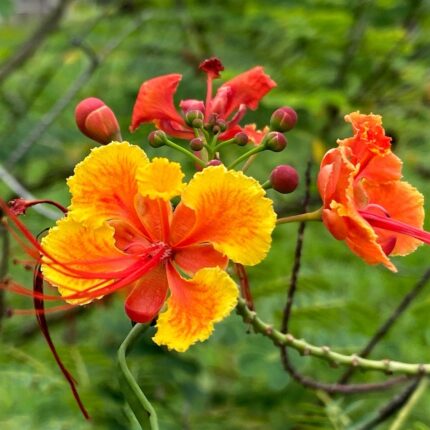
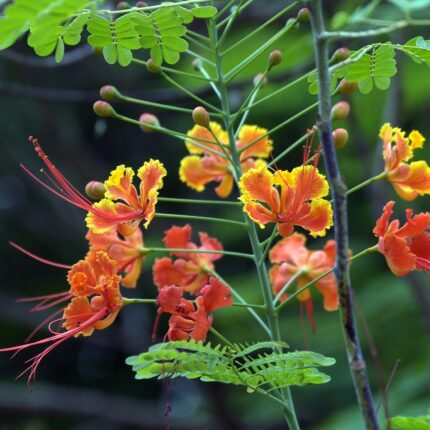
Peacock (Radhachura) Flower Plant – Red
The Peacock Flower plant, also known as Caesalpinia pulcherrima, is a tropical shrub cherished for its brilliant, multicolored blooms. Native to the Caribbean and Central America, this low-maintenance plant adds vibrant splashes of red, orange, and yellow to gardens. With proper care, including sunlight, water, and occasional pruning, it thrives in warm climates, making it a stunning addition to any landscape.
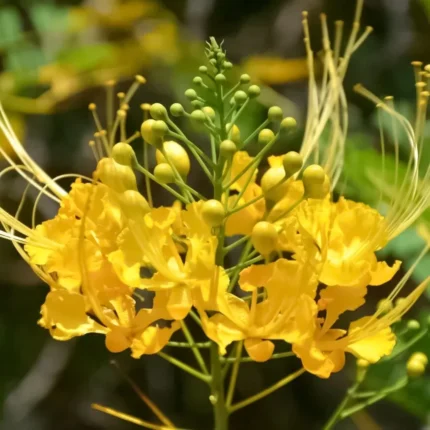
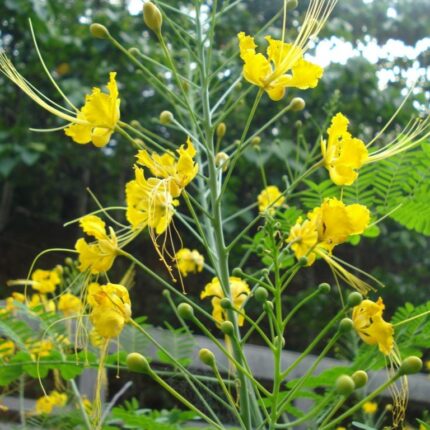
Peacock (Radhachura) Flower Plant – Yellow
The Peacock Flower plant, also known as Caesalpinia pulcherrima, is a tropical shrub cherished for its brilliant, multicolored blooms. Native to the Caribbean and Central America, this low-maintenance plant adds vibrant splashes of red, orange, and yellow to gardens. With proper care, including sunlight, water, and occasional pruning, it thrives in warm climates, making it a stunning addition to any landscape.
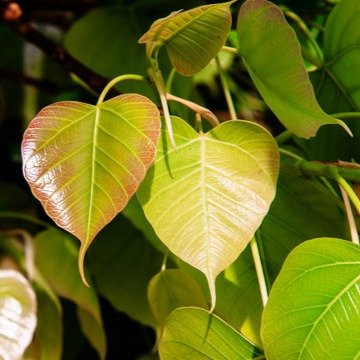
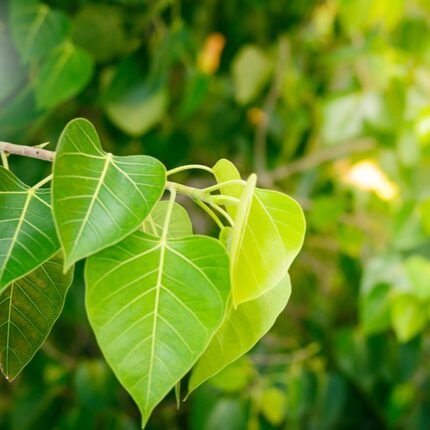
Peepal_(Ashwath) – Live Plant
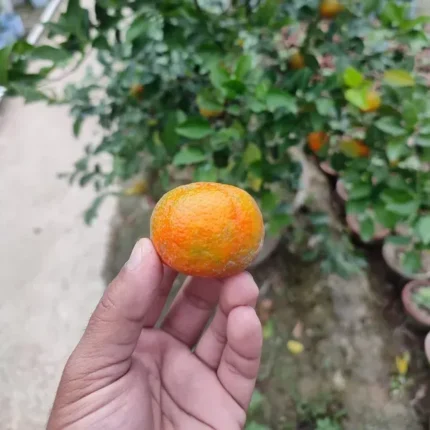
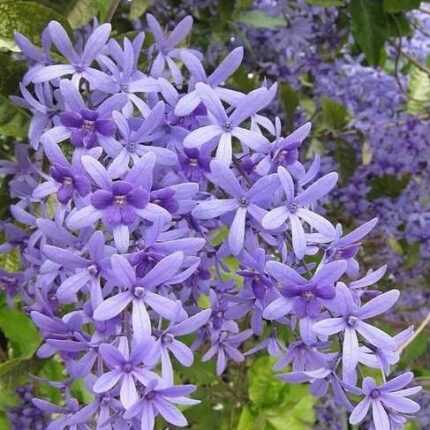
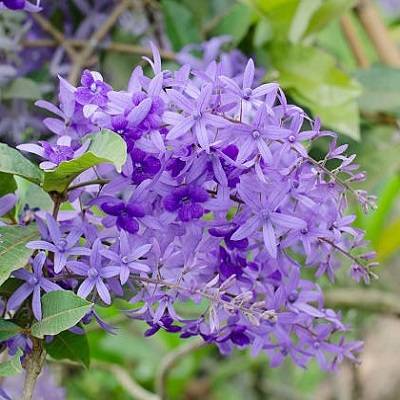
Petrea Volubilis (Nilmoni Lota) Flower Plant
Petrea volubilis, commonly known as the purple wreath or Queen's wreath, is a climbing vine native to Central and South America. Recognized for its dark green, sandpaper-textured leaves and clusters of violet to purple tubular flowers, it thrives in warm climates, making it a popular choice for ornamental gardens on trellises or arbors.


Philodendron Monestera-Plant
Philodendrons are popular houseplants known for their attractive foliage and ease of care. There are many species and varieties within the Philodendron genus, but here's a general description:1. Foliage: Philodendrons are characterized by their lush, green leaves that come in various shapes and sizes. The leaves can be heart-shaped, arrow-shaped, or deeply lobed, depending on the species.2. Growth Habit: These plants can be climbers or trailers, depending on the variety. Climbing Philodendrons often have aerial roots that help them cling to surfaces and climb.3. Indoor or Outdoor: While Philodendrons are often grown as indoor houseplants, some varieties can also thrive outdoors in warm, tropical climates.4. Varieties: Popular varieties include the Heartleaf Philodendron (Philodendron hederaceum), the Split-Leaf Philodendron (Philodendron bipinnatifidum), and the Swiss Cheese Plant (Monstera deliciosa), which is sometimes considered a Philodendron.5. Air Purification: Philodendrons are known for their air-purifying qualities, helping to filter and clean indoor air.6. Easy Care: Philodendrons are considered low-maintenance and are suitable for beginners. They can adapt to a variety of indoor conditions.7. Propagation: Propagating Philodendrons is relatively easy. They can be propagated from stem cuttings or by dividing mature plants.8. Light: Philodendrons prefer bright, indirect light but can tolerate lower light conditions. Avoid direct sunlight, as it can scorch the leaves.9. Watering: Allow the top inch of the soil to dry out between waterings. Overwatering can lead to root rot, so it's crucial to let the soil dry moderately before watering again.10. Toxicity: Keep in mind that Philodendrons are toxic to pets and humans if ingested, so it's essential to place them out of reach of children and pets.With their graceful foliage and adaptability, Philodendrons make versatile and attractive additions to indoor spaces. Regular care, proper watering, and attention to their light preferences will help ensure a healthy and vibrant Philodendron plant.
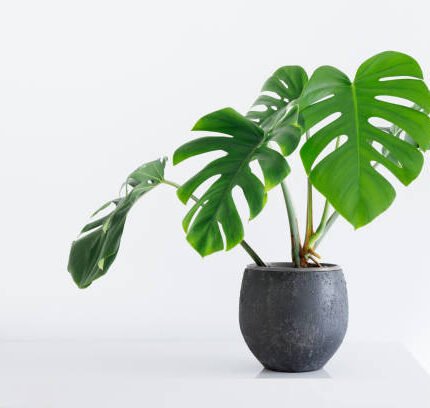

Philodendron Plant
Philodendrons are popular houseplants known for their attractive foliage and ease of care. There are many species and varieties within the Philodendron genus, but here's a general description:1. Foliage: Philodendrons are characterized by their lush, green leaves that come in various shapes and sizes. The leaves can be heart-shaped, arrow-shaped, or deeply lobed, depending on the species.2. Growth Habit: These plants can be climbers or trailers, depending on the variety. Climbing Philodendrons often have aerial roots that help them cling to surfaces and climb.3. Indoor or Outdoor: While Philodendrons are often grown as indoor houseplants, some varieties can also thrive outdoors in warm, tropical climates.4. Varieties: Popular varieties include the Heartleaf Philodendron (Philodendron hederaceum), the Split-Leaf Philodendron (Philodendron bipinnatifidum), and the Swiss Cheese Plant (Monstera deliciosa), which is sometimes considered a Philodendron.5. Air Purification: Philodendrons are known for their air-purifying qualities, helping to filter and clean indoor air.6. Easy Care: Philodendrons are considered low-maintenance and are suitable for beginners. They can adapt to a variety of indoor conditions.7. Propagation: Propagating Philodendrons is relatively easy. They can be propagated from stem cuttings or by dividing mature plants.8. Light: Philodendrons prefer bright, indirect light but can tolerate lower light conditions. Avoid direct sunlight, as it can scorch the leaves.9. Watering: Allow the top inch of the soil to dry out between waterings. Overwatering can lead to root rot, so it's crucial to let the soil dry moderately before watering again.10. Toxicity: Keep in mind that Philodendrons are toxic to pets and humans if ingested, so it's essential to place them out of reach of children and pets.With their graceful foliage and adaptability, Philodendrons make versatile and attractive additions to indoor spaces. Regular care, proper watering, and attention to their light preferences will help ensure a healthy and vibrant Philodendron plant.
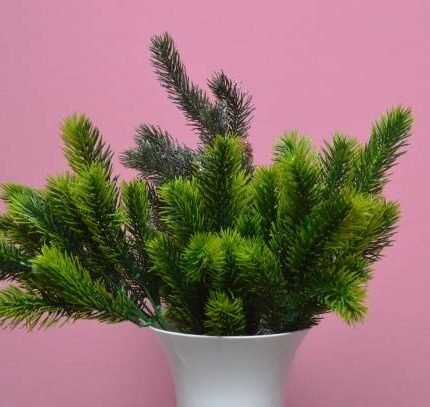
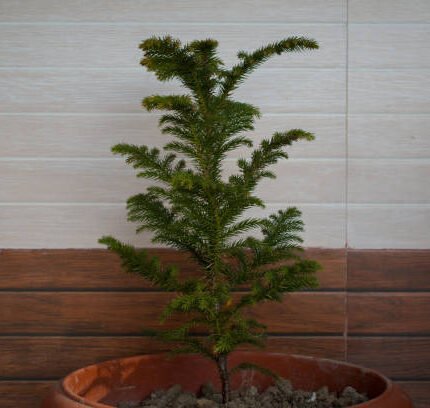
Pine Plant
"Pine plant" is a broad term that can refer to various species within the genus Pinus, commonly known as pine trees. Pine trees are evergreen conifers and are often characterized by their needle-like leaves, distinctive cones, and, in many cases, an aromatic scent. Here's a general description:1. Needle-Like Leaves: Pines have needle-shaped leaves that are typically arranged in clusters, with the number of needles per cluster varying among species.2. Cones: Pine trees produce cones that contain seeds. These cones can be large or small, depending on the species.3. Evergreen Nature: Pines are evergreen, meaning they retain their foliage throughout the year. The needles may stay on the tree for several years before being shed.4. Size: Pine trees come in various sizes, ranging from small shrubs to towering giants. Some species are used for landscaping, while others are harvested for timber.5. Aromatic Resin: Many pine species produce resin, which gives them their distinctive scent. This resin can be aromatic and is often associated with the outdoors.6. Timber: Pine wood is commonly used in construction and furniture making. It's valued for its light color, straight grain, and versatility.7. Environmental Role: Pines play a crucial role in ecosystems, providing habitat, stabilizing soil, and contributing to biodiversity.8. Types of Pines: There are numerous species of pine trees, including the Eastern White Pine, Scots Pine, Ponderosa Pine, and many more. Each species has its own unique characteristics and preferred growing conditions.9. Symbolism: In various cultures, pine trees are associated with longevity, strength, and resilience. They are often used as symbols of endurance.10. Uses: Besides their economic and ecological importance, pine trees are often planted for landscaping and ornamentation. They are also commonly used as Christmas trees in many cultures.If you have a specific type of pine tree in mind, providing its botanical name or common name can help in offering more detailed information. Each species has unique features and requirements for care and maintenance.