
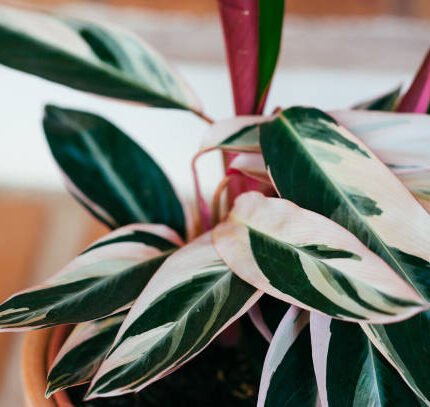
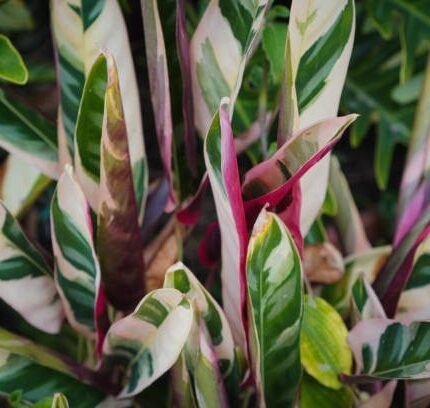
Calathea Plant
Caring for your Calathea plant involves a bit of attention and consideration. Here are some maintenance tips to keep your Calathea happy:1. Light: Provide your Calathea with indirect, bright, filtered light. These plants are native to the understory of tropical forests, so they prefer dappled sunlight. Avoid direct sunlight, as it can scorch the leaves.2. Watering: Keep the soil consistently moist but not waterlogged. Water when the top inch of soil feels dry. Calatheas like their soil to be consistently humid, so misting the leaves or placing a tray of water nearby can help. Use room temperature water to avoid shocking the plant.3. Humidity: Calatheas thrive in high humidity. If your home is dry, consider using a humidifier, placing a tray of water near the plant, or misting the leaves regularly.4. Soil: Use a well-draining potting mix rich in organic matter. A mix designed for orchids or African violets can work well.5. Temperature: Keep your Calathea in a warm environment. They prefer temperatures between 65°F to 75°F (18°C to 24°C). Avoid drafts and sudden temperature fluctuations.6. Pruning: Trim brown or yellowed leaves with clean, sharp scissors. This helps the plant redirect its energy to healthier growth.7. Fertilizing: During the growing season (spring and summer), feed your Calathea with a balanced, water-soluble fertilizer diluted to half the recommended strength. Avoid fertilizing during the winter months when the plant is not actively growing.8. Repotting: Calatheas don't need frequent repotting. Repot when the plant becomes root-bound or when you notice a decline in its health. Spring is usually a good time for repotting.9. Clean Leaves: Wipe the leaves regularly with a damp cloth to remove dust. This not only keeps them looking shiny but also helps the plant breathe better.10. Rotation: Consider rotating your Calathea every few weeks to ensure all sides receive equal light exposure, promoting even growth.With a little care and attention to their specific needs, Calatheas can be rewarding and captivating houseplants.
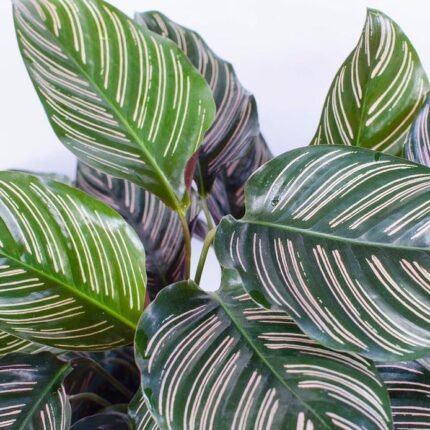
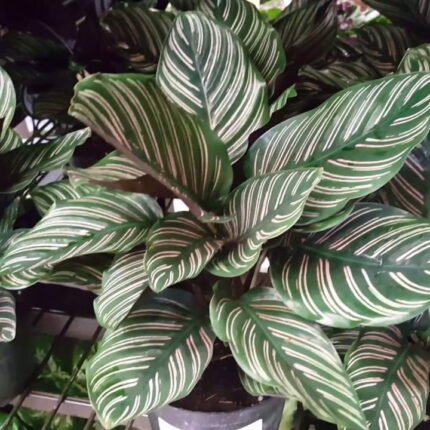
Calathea Plant
Caring for your Calathea plant involves a bit of attention and consideration. Here are some maintenance tips to keep your Calathea happy:1. Light: Provide your Calathea with indirect, bright, filtered light. These plants are native to the understory of tropical forests, so they prefer dappled sunlight. Avoid direct sunlight, as it can scorch the leaves.2. Watering: Keep the soil consistently moist but not waterlogged. Water when the top inch of soil feels dry. Calatheas like their soil to be consistently humid, so misting the leaves or placing a tray of water nearby can help. Use room temperature water to avoid shocking the plant.3. Humidity: Calatheas thrive in high humidity. If your home is dry, consider using a humidifier, placing a tray of water near the plant, or misting the leaves regularly.4. Soil: Use a well-draining potting mix rich in organic matter. A mix designed for orchids or African violets can work well.5. Temperature: Keep your Calathea in a warm environment. They prefer temperatures between 65°F to 75°F (18°C to 24°C). Avoid drafts and sudden temperature fluctuations.6. Pruning: Trim brown or yellowed leaves with clean, sharp scissors. This helps the plant redirect its energy to healthier growth.7. Fertilizing: During the growing season (spring and summer), feed your Calathea with a balanced, water-soluble fertilizer diluted to half the recommended strength. Avoid fertilizing during the winter months when the plant is not actively growing.8. Repotting: Calatheas don't need frequent repotting. Repot when the plant becomes root-bound or when you notice a decline in its health. Spring is usually a good time for repotting.9. Clean Leaves: Wipe the leaves regularly with a damp cloth to remove dust. This not only keeps them looking shiny but also helps the plant breathe better.10. Rotation: Consider rotating your Calathea every few weeks to ensure all sides receive equal light exposure, promoting even growth.With a little care and attention to their specific needs, Calatheas can be rewarding and captivating houseplants.
Calathea Plant
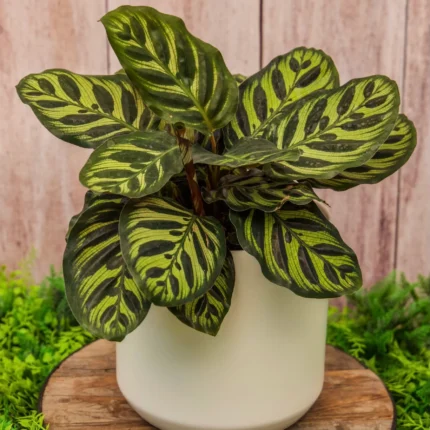
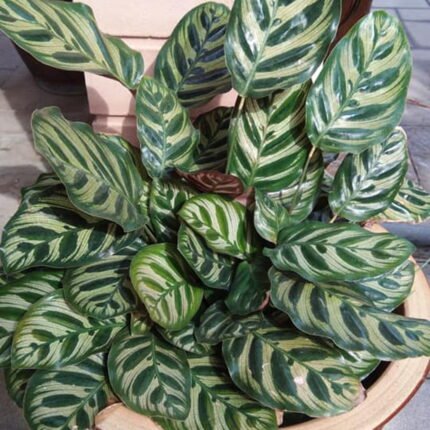
Caring for your Calathea plant involves a bit of attention and consideration. Here are some maintenance tips to keep your Calathea happy:1. Light: Provide your Calathea with indirect, bright, filtered light. These plants are native to the understory of tropical forests, so they prefer dappled sunlight. Avoid direct sunlight, as it can scorch the leaves.2. Watering: Keep the soil consistently moist but not waterlogged. Water when the top inch of soil feels dry. Calatheas like their soil to be consistently humid, so misting the leaves or placing a tray of water nearby can help. Use room temperature water to avoid shocking the plant.3. Humidity: Calatheas thrive in high humidity. If your home is dry, consider using a humidifier, placing a tray of water near the plant, or misting the leaves regularly.4. Soil: Use a well-draining potting mix rich in organic matter. A mix designed for orchids or African violets can work well.5. Temperature: Keep your Calathea in a warm environment. They prefer temperatures between 65°F to 75°F (18°C to 24°C). Avoid drafts and sudden temperature fluctuations.6. Pruning: Trim brown or yellowed leaves with clean, sharp scissors. This helps the plant redirect its energy to healthier growth.7. Fertilizing: During the growing season (spring and summer), feed your Calathea with a balanced, water-soluble fertilizer diluted to half the recommended strength. Avoid fertilizing during the winter months when the plant is not actively growing.8. Repotting: Calatheas don't need frequent repotting. Repot when the plant becomes root-bound or when you notice a decline in its health. Spring is usually a good time for repotting.9. Clean Leaves: Wipe the leaves regularly with a damp cloth to remove dust. This not only keeps them looking shiny but also helps the plant breathe better.10. Rotation: Consider rotating your Calathea every few weeks to ensure all sides receive equal light exposure, promoting even growth.With a little care and attention to their specific needs, Calatheas can be rewarding and captivating houseplants.

Calathea Plant
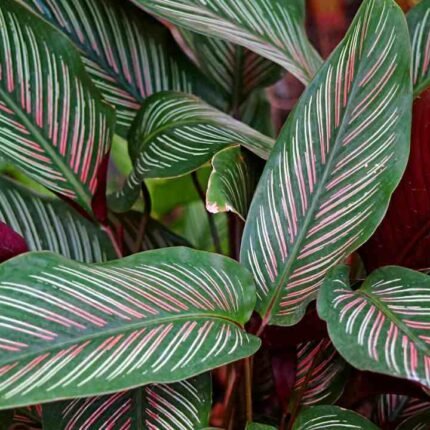
Caring for your Calathea plant involves a bit of attention and consideration. Here are some maintenance tips to keep your Calathea happy:1. Light: Provide your Calathea with indirect, bright, filtered light. These plants are native to the understory of tropical forests, so they prefer dappled sunlight. Avoid direct sunlight, as it can scorch the leaves.2. Watering: Keep the soil consistently moist but not waterlogged. Water when the top inch of soil feels dry. Calatheas like their soil to be consistently humid, so misting the leaves or placing a tray of water nearby can help. Use room temperature water to avoid shocking the plant.3. Humidity: Calatheas thrive in high humidity. If your home is dry, consider using a humidifier, placing a tray of water near the plant, or misting the leaves regularly.4. Soil: Use a well-draining potting mix rich in organic matter. A mix designed for orchids or African violets can work well.5. Temperature: Keep your Calathea in a warm environment. They prefer temperatures between 65°F to 75°F (18°C to 24°C). Avoid drafts and sudden temperature fluctuations.6. Pruning: Trim brown or yellowed leaves with clean, sharp scissors. This helps the plant redirect its energy to healthier growth.7. Fertilizing: During the growing season (spring and summer), feed your Calathea with a balanced, water-soluble fertilizer diluted to half the recommended strength. Avoid fertilizing during the winter months when the plant is not actively growing.8. Repotting: Calatheas don't need frequent repotting. Repot when the plant becomes root-bound or when you notice a decline in its health. Spring is usually a good time for repotting.9. Clean Leaves: Wipe the leaves regularly with a damp cloth to remove dust. This not only keeps them looking shiny but also helps the plant breathe better.10. Rotation: Consider rotating your Calathea every few weeks to ensure all sides receive equal light exposure, promoting even growth.With a little care and attention to their specific needs, Calatheas can be rewarding and captivating houseplants.

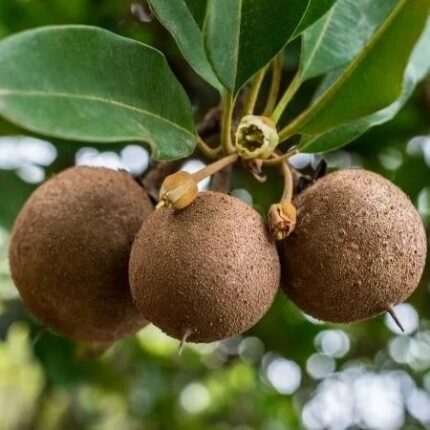
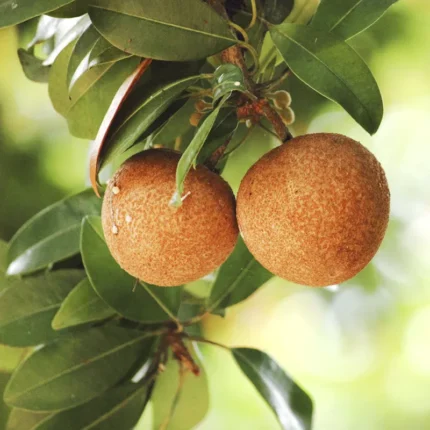
California Chikoo Fruit Plant
Chikoo, or sapodilla, comes from a tropical evergreen tree. The fruit is round, with rough brown skin and sweet, grainy flesh. It has a unique flavor—like a mix of pear and brown sugar. The tree produces small white flowers and grows well in tropical climates with adequate rainfall. Chikoo is enjoyed fresh or used in various culinary creations, such as jams and desserts. Thinking of trying your hand at growing them?
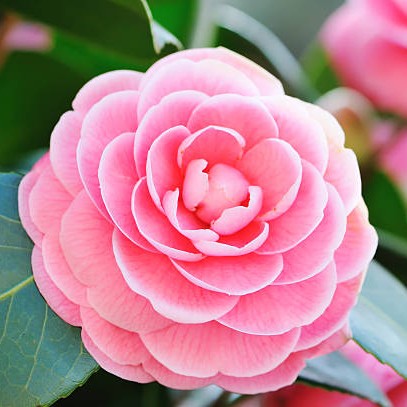
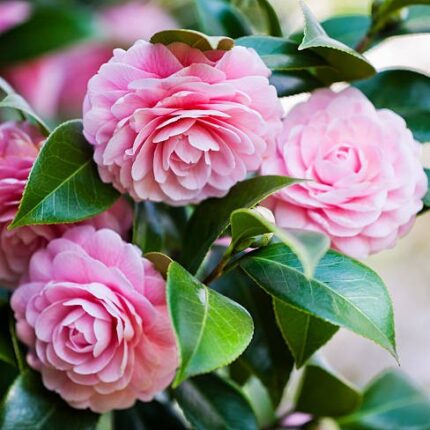
Camellia Flower Plant (Pink)
Camellia, an evergreen shrub, is famed for its waxy, symmetrical flowers in shades of white, pink, and red. With glossy green leaves, it adds elegance to gardens. Originating from East Asia, particularly China and Japan, Camellias bloom late fall to early spring. They thrive in well-draining, acidic soil and partial shade, requiring moderate care for their classic beauty. Notably, Camellia sinensis leaves are used to produce green and black teas, giving this plant both aesthetic and cultural significance.
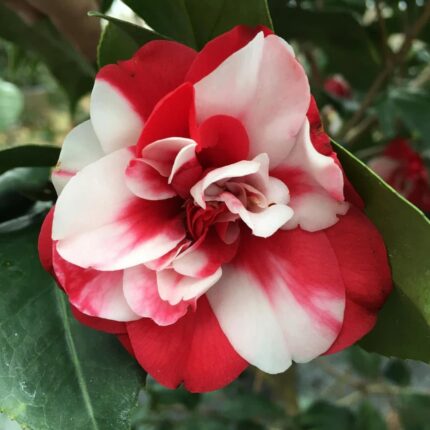
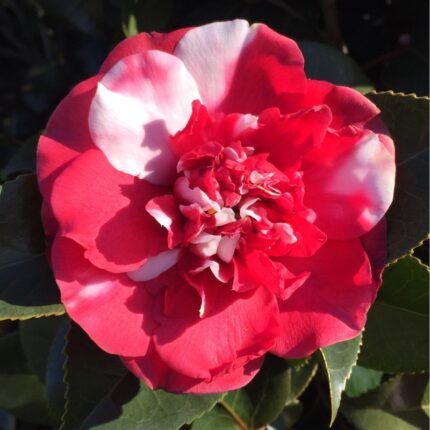
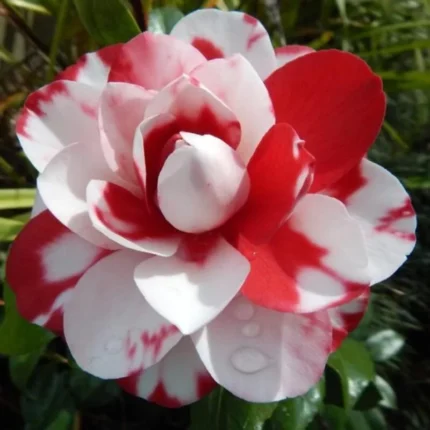
Camellia Flower Plant (Red & White)
Camellia, an evergreen shrub, is famed for its waxy, symmetrical flowers in shades of white, pink, and red. With glossy green leaves, it adds elegance to gardens. Originating from East Asia, particularly China and Japan, Camellias bloom late fall to early spring. They thrive in well-draining, acidic soil and partial shade, requiring moderate care for their classic beauty. Notably, Camellia sinensis leaves are used to produce green and black teas, giving this plant both aesthetic and cultural significance.
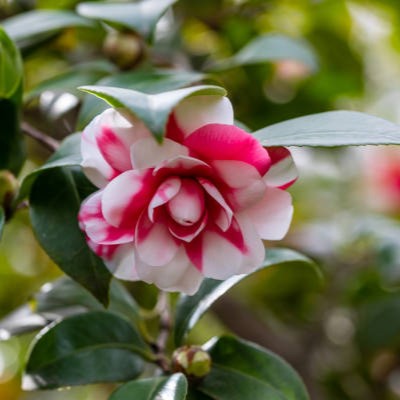
Camellia Flower Plant (Red & White)
Camellia, an evergreen shrub, is famed for its waxy, symmetrical flowers in shades of white, pink, and red. With glossy green leaves, it adds elegance to gardens. Originating from East Asia, particularly China and Japan, Camellias bloom late fall to early spring. They thrive in well-draining, acidic soil and partial shade, requiring moderate care for their classic beauty. Notably, Camellia sinensis leaves are used to produce green and black teas, giving this plant both aesthetic and cultural significance.

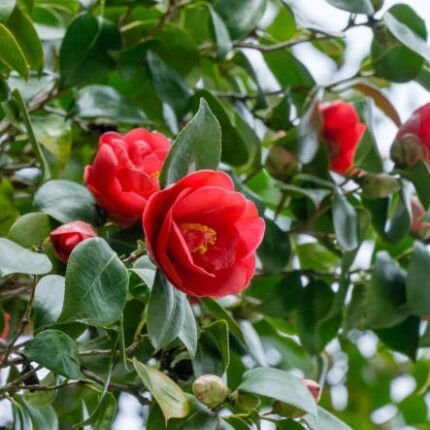
Camellia Flower Plant (Red)
Camellia, an evergreen shrub, is famed for its waxy, symmetrical flowers in shades of white, pink, and red. With glossy green leaves, it adds elegance to gardens. Originating from East Asia, particularly China and Japan, Camellias bloom late fall to early spring. They thrive in well-draining, acidic soil and partial shade, requiring moderate care for their classic beauty. Notably, Camellia sinensis leaves are used to produce green and black teas, giving this plant both aesthetic and cultural significance.
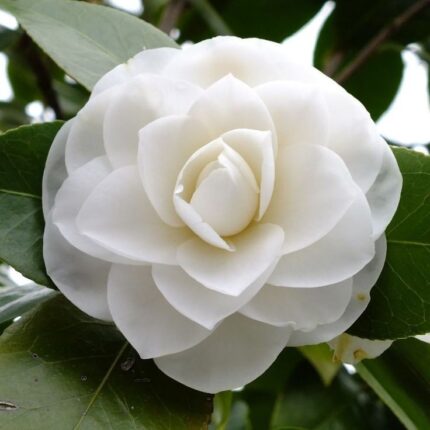
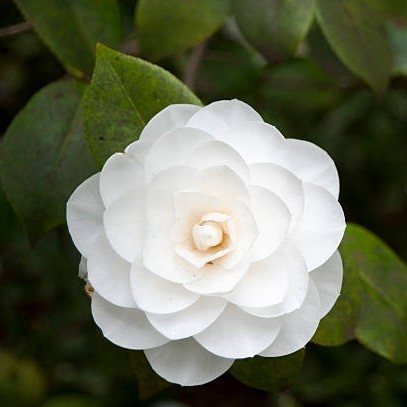
Camellia Flower Plant (White)
Camellia, an evergreen shrub, is famed for its waxy, symmetrical flowers in shades of white, pink, and red. With glossy green leaves, it adds elegance to gardens. Originating from East Asia, particularly China and Japan, Camellias bloom late fall to early spring. They thrive in well-draining, acidic soil and partial shade, requiring moderate care for their classic beauty. Notably, Camellia sinensis leaves are used to produce green and black teas, giving this plant both aesthetic and cultural significance.