
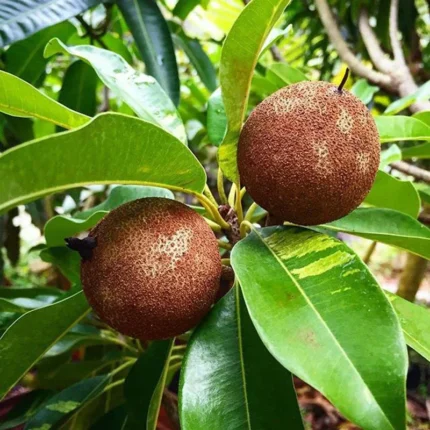
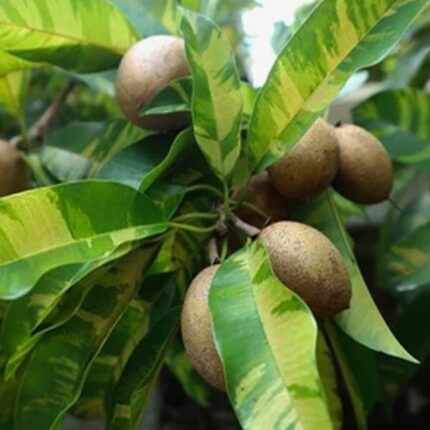
Verigated Chikoo Fruit Plant
Chikoo, or sapodilla, comes from a tropical evergreen tree. The fruit is round, with rough brown skin and sweet, grainy flesh. It has a unique flavor—like a mix of pear and brown sugar. The tree produces small white flowers and grows well in tropical climates with adequate rainfall. Chikoo is enjoyed fresh or used in various culinary creations, such as jams and desserts. Thinking of trying your hand at growing them?
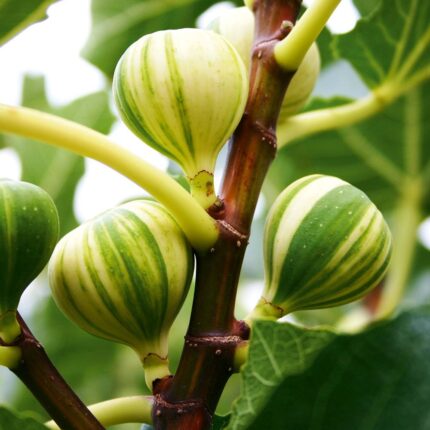
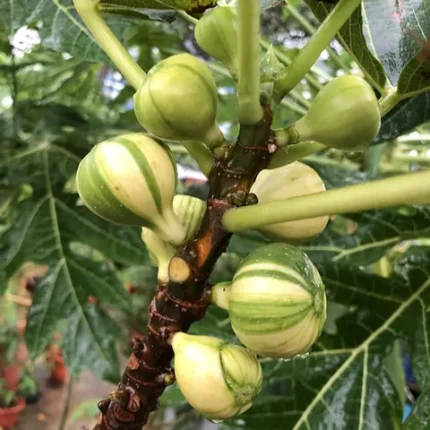
Verigated Fig Fruit Plant
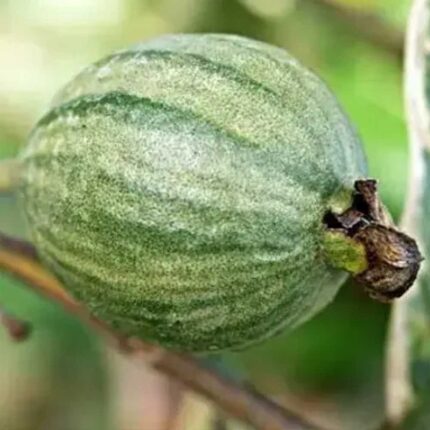
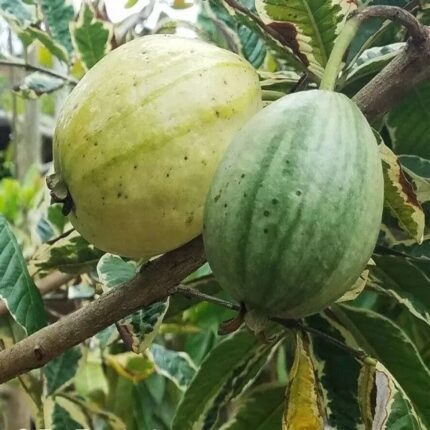
Verigated Gauva Fruit Plant
Guava plants are evergreen shrubs or small trees with glossy leaves, fragrant white flowers, and sweet, vitamin C-rich fruits. They thrive in tropical climates, prefer well-draining soil, and are valued for their adaptability and nutritional benefits. The fruit can be green, yellow, or maroon, with white to pink or red flesh. Guavas are commonly eaten fresh, used in juices, jams, and desserts, and their leaves have traditional medicinal uses.
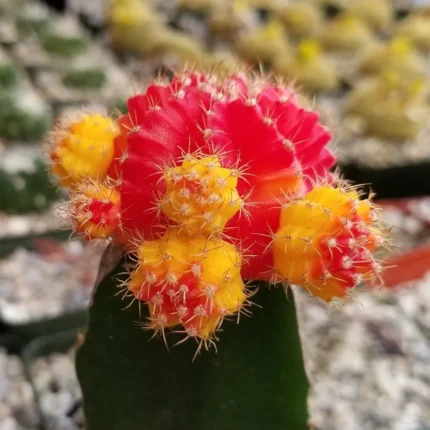
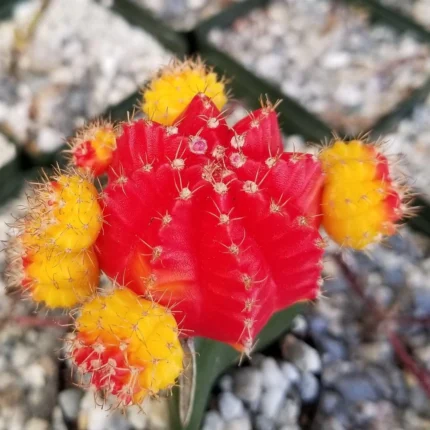
Verigated Grafted Moon Cactus Live Plant
Moon cacti are these quirky little plants that look like they're from outer space. Imagine a small, colorful ball sitting on top of another, and you've got the basic idea. The top part is the actual cactus, often bright red, pink, orange, or yellow, and it lacks chlorophyll, so it can't produce its own food through photosynthesis. That's where the lower green cactus comes in—it provides the necessary nutrients.These cacti are like the odd couple of the plant world, creating a striking and playful appearance. They're easy to care for, making them popular among both experienced and newbie plant enthusiasts. So, if you want a touch of extraterrestrial charm in your plant collection, a moon cactus might be just the thing!
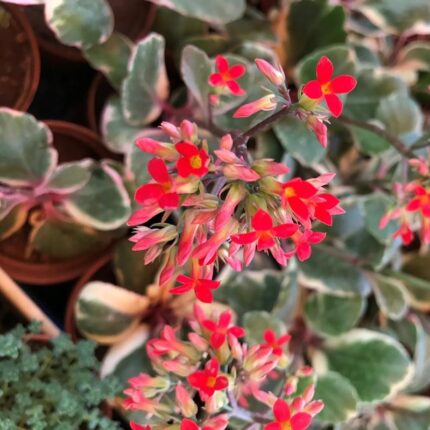
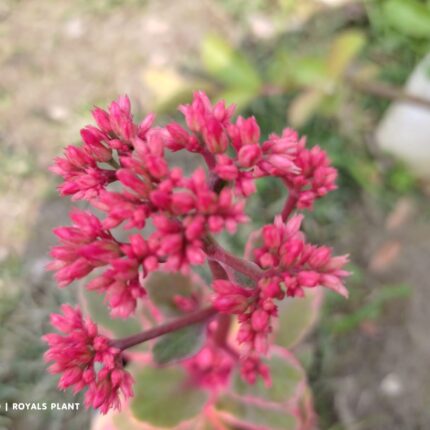
Verigated Kalanchoe Flower Plant – Red
Kalanchoe is a genus of succulent plants that are known for their vibrant and long-lasting flowers. There are over 200 species in the Kalanchoe genus, and they belong to the Crassulaceae family. These plants are native to Madagascar and are popular as houseplants or for outdoor gardening in warm climates. One of the well-known species is Kalanchoe blossfeldiana, often called the Flaming Katy or Christmas Kalanchoe. It's famous for its clusters of small, colorful flowers that bloom in various shades like red, orange, pink, and yellow. Kalanchoes are relatively easy to care for, making them a favorite among both beginners and experienced plant enthusiasts. They prefer well-draining soil, bright sunlight, and moderate watering. Interestingly, some Kalanchoe varieties are also known for their medicinal properties, and certain compounds extracted from them are believed to have potential health

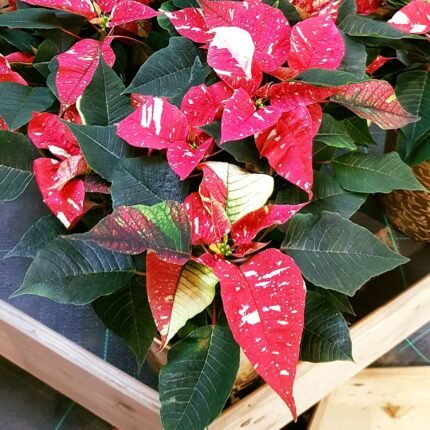
Verigated Poinsettias (Pata Bahari) Live Plant
Poinsettia plants are like the celebrities of the holiday season, especially around Christmas. With their vibrant red and green foliage, they steal the show in many festive decorations. Native to Mexico, these plants are named after Joel Poinsett, the first U.S. Minister to Mexico, who introduced them to the United States in the early 19th century. Poinsettias have become a symbol of holiday cheer and are often used as decorative elements in homes, offices, and public spaces. Despite common belief, the red petals are not actually flowers but specialized leaves called bracts. They require a bit of TLC to thrive indoors, making them a popular yet temporary addition to the holiday ambiance.


Verigated Rubber Plant
The Rubber Plant, scientifically known as Ficus elastica, is a popular and easy-to-care-for houseplant known for its glossy, broad leaves. Here's a brief overview:1. Foliage: The Rubber Plant has large, dark green, and glossy leaves that are typically oval or elliptical in shape. Some varieties may have variegated leaves with patterns of cream or white.2. Growth Habit: It typically has an upright and bushy growth habit. With proper care, Rubber Plants can grow to be tall and impressive indoor trees.3. Indoor Adaptability: Rubber Plants are well-suited for indoor environments and are commonly used as ornamental houseplants. They are known for their air-purifying qualities.4. Light: Provide bright, indirect light for optimal growth. Rubber Plants can tolerate lower light conditions, but they may grow more slowly in such situations.5. Watering: Allow the top inch of the soil to dry out between waterings. Rubber Plants prefer slightly moist soil but can tolerate occasional drying. Overwatering can lead to root rot.6. Soil: Use a well-draining potting mix. A mixture designed for tropical plants or a general-purpose potting mix works well.7. Temperature: Rubber Plants prefer temperatures between 60°F to 75°F (15°C to 24°C). They are sensitive to drafts and temperature extremes, so avoid placing them near heaters or air conditioners.8. Humidity: While Rubber Plants can adapt to typical indoor humidity levels, they appreciate slightly higher humidity. If the air is dry, occasional misting or using a humidifier can be beneficial.9. Fertilizing: Feed your Rubber Plant with a balanced liquid fertilizer during the growing season (spring and summer). Reduce or stop fertilizing in the fall and winter when growth slows down.10. Pruning: Prune your Rubber Plant to maintain its shape and remove any leggy growth. You can also pinch back the growing tips to encourage bushier growth.The Rubber Plant is known for its resilience and ability to adapt to a variety of indoor conditions. With proper care, it can become a striking and attractive addition to your home or office space.
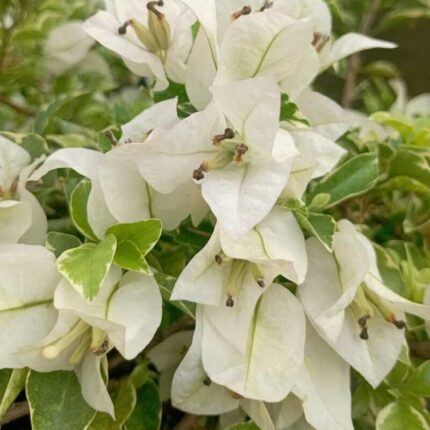
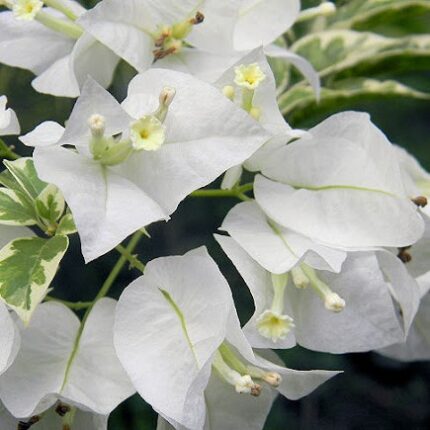
Verigated White King – Bougainvellia Flower Plant
Bougainvillea, a tropical vine originating from South America, is prized for its vibrant papery bracts in shades of pink, purple, red, orange, and white. With a robust growth habit, it adds a burst of color to warm-climate gardens. Easy to care for, bougainvillea thrives in full sunlight, well-drained soil, and requires occasional pruning for shape and size control. Its exotic beauty and hardiness make it a popular choice for landscapes and gardens. Watch out for thorns!
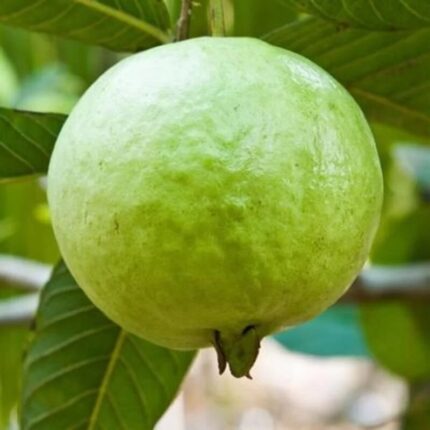

Vietnam Alltime Gauva | Grafted Fruit Plant
Guava plants are evergreen shrubs or small trees with glossy leaves, fragrant white flowers, and sweet, vitamin C-rich fruits. They thrive in tropical climates, prefer well-draining soil, and are valued for their adaptability and nutritional benefits. The fruit can be green, yellow, or maroon, with white to pink or red flesh. Guavas are commonly eaten fresh, used in juices, jams, and desserts, and their leaves have traditional medicinal uses.


Vietnam Hybrid Coconut Fruit Plant
Coconut plants are tall, elegant trees with feather-like leaves. They produce clusters of coconuts, each containing edible white meat and refreshing coconut water. Adapted to tropical climates, coconut palms are versatile—providing food, materials, and a coastal charm. Every part of the tree is used, showcasing sustainability.