
Hing_Asafoetida Mediclinal Live Plant
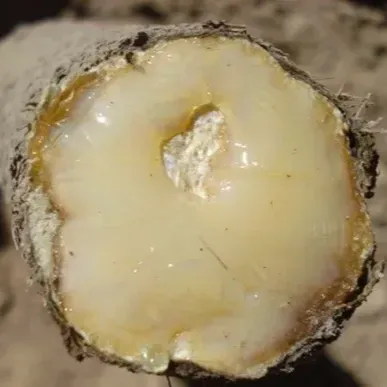
Asafoetida, also known as hing, is a pungent-smelling resin derived from the roots of the Ferula plant, a member of the parsley family. Native to regions in Central Asia and the Middle East, it's widely used in cooking, particularly in Indian and Middle Eastern cuisines. Despite its strong odor, it imparts a unique, savory, and umami flavor to dishes. Asafoetida is often used as a spice substitute for garlic or onions, especially in vegetarian cooking. Beyond culinary uses, it's also valued for its traditional medicinal properties, such as aiding digestion and acting as an anti-inflammatory.
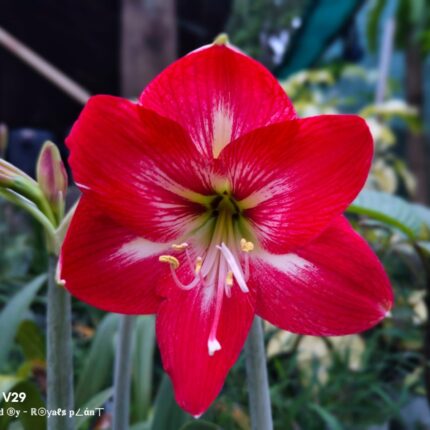
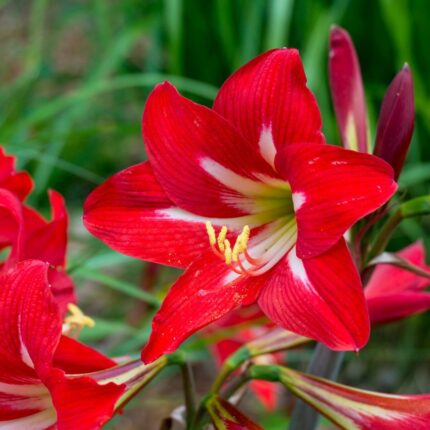
Hippeastrum Silver Queen – Lily Flower Plant
Ginger Lily, part of the Zingiberaceae family, is a striking flowering plant native to Asia. Known for its vibrant and fragrant flowers in colors like white, yellow, orange, and pink, it adds charm to gardens. With long, lance-shaped leaves, it's both visually appealing and culturally significant in traditional medicine.
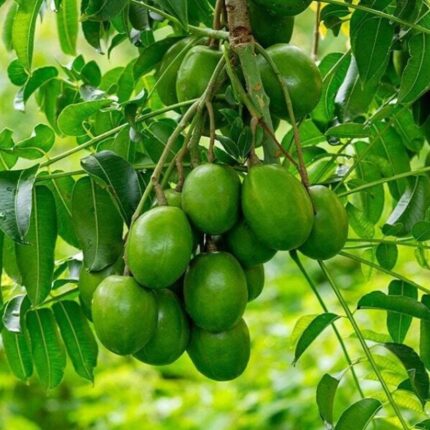
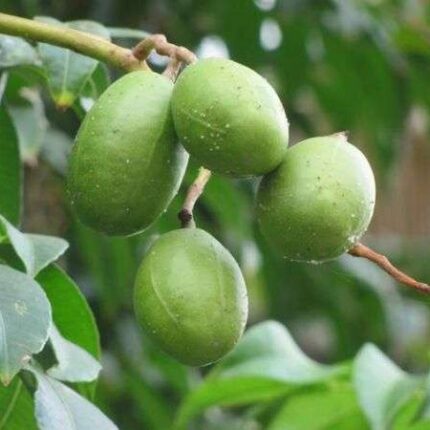
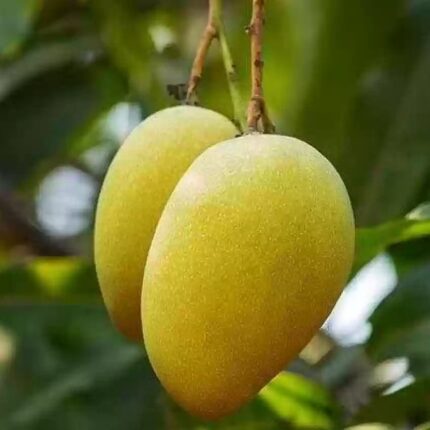
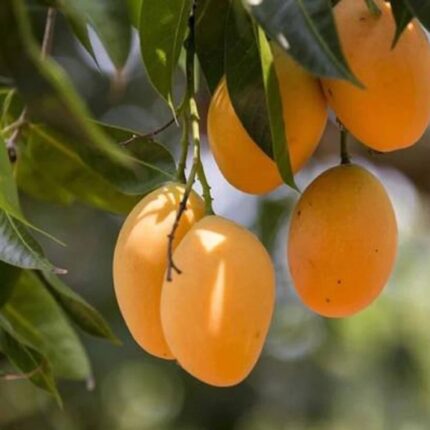

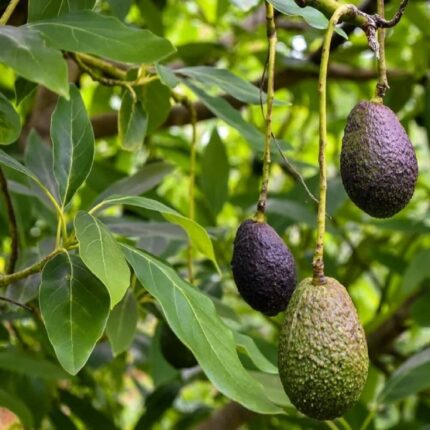
Hot Climate Avocado | Grafted & Hybrid Fruit Plant
Avocado trees, evergreen and reaching up to 80 feet, yield distinctive fruits with creamy, buttery flesh. Popular varieties like Hass and Fuerte offer diverse flavors. Thriving in subtropical climates, avocados need well-draining soil and protection from frost. They bear greenish-yellow flowers in spring and are self-pollinating. Harvest when the skin changes color. Avocados are not just delicious; they're packed with nutrients and heart-healthy fats. Regular pruning and proper care ensure a fruitful avocado tree.
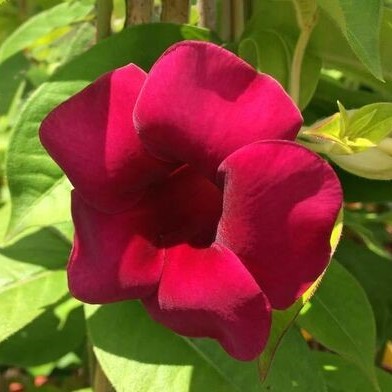
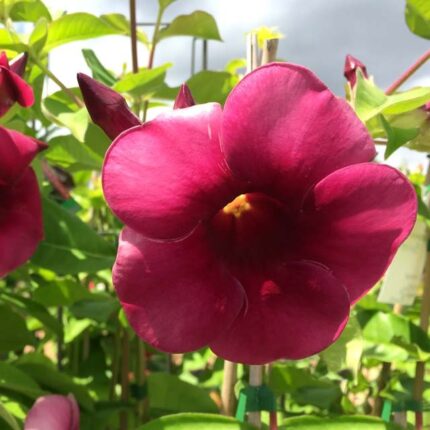
Hybrid Allamanda Flower Plant – (Expensive Red)
Allamanda, a tropical flowering plant, boasts vibrant trumpet-shaped flowers in shades of yellow, pink, and purple. Native to South and Central America, it thrives in warm, sunny conditions and is popular for gardens and landscapes. Handle with care, as all parts of the plant contain a toxic sap. With its striking blooms and glossy leaves, Allamanda adds a touch of tropical elegance to outdoor spaces.
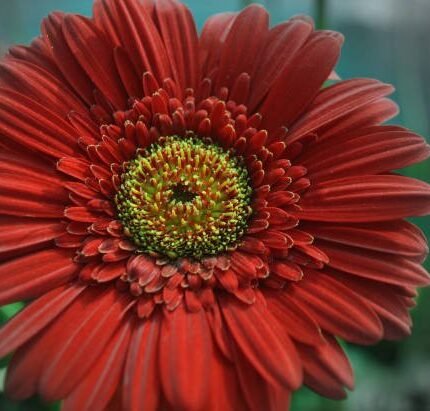
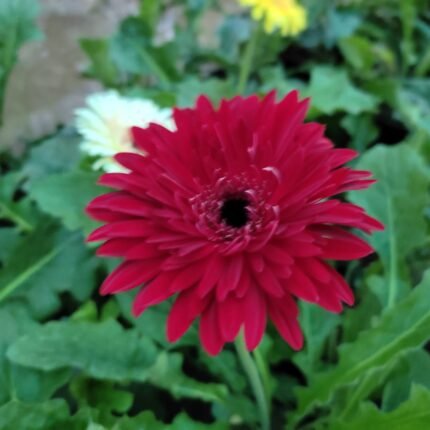
Hybrid Gerbera Flower Plant (Dark Red)
Gerbera plants, also known as Gerbera daisies, are a vibrant and popular choice for gardens and floral arrangements. Here's a quick rundown:Appearance: Gerbera plants are characterized by their large, colorful flowers with a central disk surrounded by ray petals. The flowers come in a variety of hues, including red, pink, orange, yellow, and white. The leaves are typically dark green and deeply lobed.Size: These plants vary in size, with some reaching up to 18 inches (45 cm) in height. The flowers themselves can be quite substantial, often measuring 2 to 5 inches (5 to 12 cm) in diameter.Growing Conditions: Gerberas thrive in well-drained soil with a slightly acidic to neutral pH. They prefer full sunlight but can tolerate partial shade. Adequate air circulation is essential to prevent fungal diseases. These plants are often grown as annuals, but in the right conditions, they can be perennial.Care: Regular watering is crucial, and it's best to keep the soil consistently moist. Be cautious not to overwater, as gerberas are susceptible to root rot. Deadheading spent flowers encourages continuous blooming. Fertilize during the growing season to promote healthy growth.Uses: Gerbera daisies are popular in flower arrangements and bouquets due to their bright and cheerful appearance. They also make lovely additions to garden borders and containers.Symbolism: The gerbera daisy is often associated with beauty, innocence, and purity. It's a symbol of happiness, making it a popular choice for gift bouquets and special occasions.Varieties: There are numerous cultivars of gerbera daisies, each with its unique color and flower form. Varieties include single and double flowers, as well as different sizes.Fun Fact: Gerbera flowers are known to improve air quality by absorbing pollutants and emitting oxygen at night. They're not just pretty; they're also good for the air you breathe!Overall, gerbera plants are a delightful addition to gardens and floral displays, bringing a burst of color and positive energy.
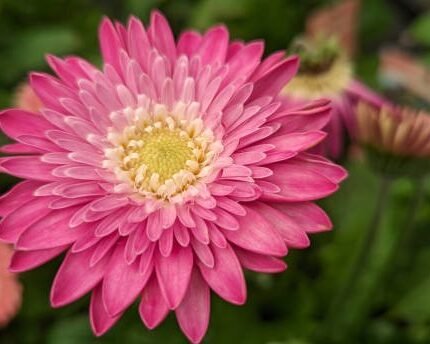
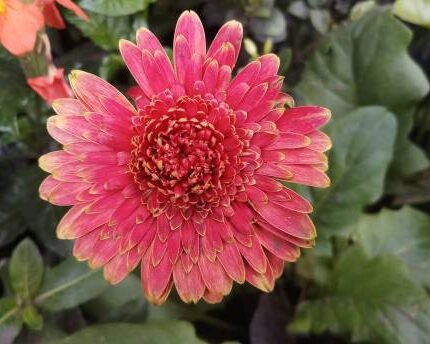
Hybrid Gerbera Flower Plant (Pink)
Gerbera plants, also known as Gerbera daisies, are a vibrant and popular choice for gardens and floral arrangements. Here's a quick rundown:Appearance: Gerbera plants are characterized by their large, colorful flowers with a central disk surrounded by ray petals. The flowers come in a variety of hues, including red, pink, orange, yellow, and white. The leaves are typically dark green and deeply lobed.Size: These plants vary in size, with some reaching up to 18 inches (45 cm) in height. The flowers themselves can be quite substantial, often measuring 2 to 5 inches (5 to 12 cm) in diameter.Growing Conditions: Gerberas thrive in well-drained soil with a slightly acidic to neutral pH. They prefer full sunlight but can tolerate partial shade. Adequate air circulation is essential to prevent fungal diseases. These plants are often grown as annuals, but in the right conditions, they can be perennial.Care: Regular watering is crucial, and it's best to keep the soil consistently moist. Be cautious not to overwater, as gerberas are susceptible to root rot. Deadheading spent flowers encourages continuous blooming. Fertilize during the growing season to promote healthy growth.Uses: Gerbera daisies are popular in flower arrangements and bouquets due to their bright and cheerful appearance. They also make lovely additions to garden borders and containers.Symbolism: The gerbera daisy is often associated with beauty, innocence, and purity. It's a symbol of happiness, making it a popular choice for gift bouquets and special occasions.Varieties: There are numerous cultivars of gerbera daisies, each with its unique color and flower form. Varieties include single and double flowers, as well as different sizes.Fun Fact: Gerbera flowers are known to improve air quality by absorbing pollutants and emitting oxygen at night. They're not just pretty; they're also good for the air you breathe!Overall, gerbera plants are a delightful addition to gardens and floral displays, bringing a burst of color and positive energy.
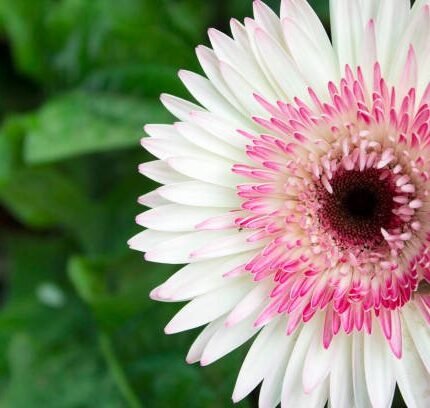
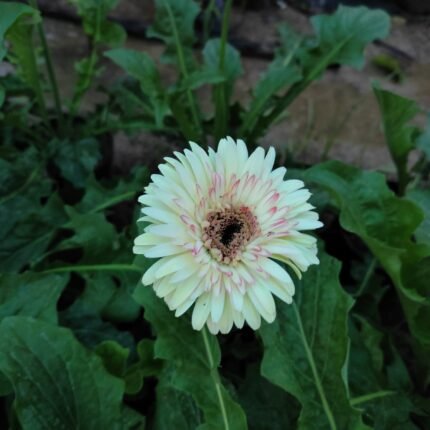
Hybrid Gerbera Flower Plant (White)
Gerbera plants, also known as Gerbera daisies, are a vibrant and popular choice for gardens and floral arrangements. Here's a quick rundown:Appearance: Gerbera plants are characterized by their large, colorful flowers with a central disk surrounded by ray petals. The flowers come in a variety of hues, including red, pink, orange, yellow, and white. The leaves are typically dark green and deeply lobed.Size: These plants vary in size, with some reaching up to 18 inches (45 cm) in height. The flowers themselves can be quite substantial, often measuring 2 to 5 inches (5 to 12 cm) in diameter.Growing Conditions: Gerberas thrive in well-drained soil with a slightly acidic to neutral pH. They prefer full sunlight but can tolerate partial shade. Adequate air circulation is essential to prevent fungal diseases. These plants are often grown as annuals, but in the right conditions, they can be perennial.Care: Regular watering is crucial, and it's best to keep the soil consistently moist. Be cautious not to overwater, as gerberas are susceptible to root rot. Deadheading spent flowers encourages continuous blooming. Fertilize during the growing season to promote healthy growth.Uses: Gerbera daisies are popular in flower arrangements and bouquets due to their bright and cheerful appearance. They also make lovely additions to garden borders and containers.Symbolism: The gerbera daisy is often associated with beauty, innocence, and purity. It's a symbol of happiness, making it a popular choice for gift bouquets and special occasions.Varieties: There are numerous cultivars of gerbera daisies, each with its unique color and flower form. Varieties include single and double flowers, as well as different sizes.Fun Fact: Gerbera flowers are known to improve air quality by absorbing pollutants and emitting oxygen at night. They're not just pretty; they're also good for the air you breathe!Overall, gerbera plants are a delightful addition to gardens and floral displays, bringing a burst of color and positive energy.
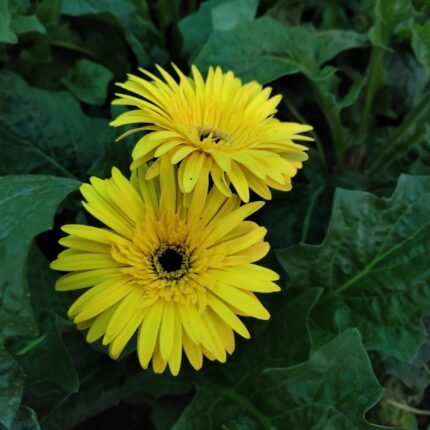
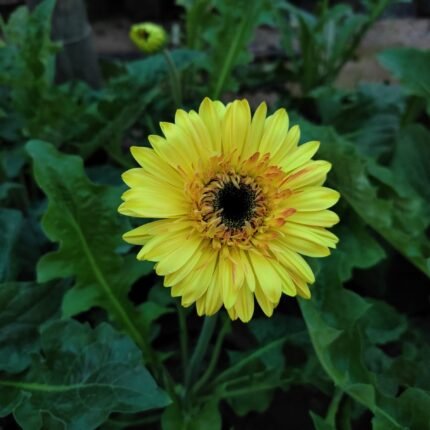
Hybrid Gerbera Flower Plant (Yellow)
Gerbera plants, also known as Gerbera daisies, are a vibrant and popular choice for gardens and floral arrangements. Here's a quick rundown:Appearance: Gerbera plants are characterized by their large, colorful flowers with a central disk surrounded by ray petals. The flowers come in a variety of hues, including red, pink, orange, yellow, and white. The leaves are typically dark green and deeply lobed.Size: These plants vary in size, with some reaching up to 18 inches (45 cm) in height. The flowers themselves can be quite substantial, often measuring 2 to 5 inches (5 to 12 cm) in diameter.Growing Conditions: Gerberas thrive in well-drained soil with a slightly acidic to neutral pH. They prefer full sunlight but can tolerate partial shade. Adequate air circulation is essential to prevent fungal diseases. These plants are often grown as annuals, but in the right conditions, they can be perennial.Care: Regular watering is crucial, and it's best to keep the soil consistently moist. Be cautious not to overwater, as gerberas are susceptible to root rot. Deadheading spent flowers encourages continuous blooming. Fertilize during the growing season to promote healthy growth.Uses: Gerbera daisies are popular in flower arrangements and bouquets due to their bright and cheerful appearance. They also make lovely additions to garden borders and containers.Symbolism: The gerbera daisy is often associated with beauty, innocence, and purity. It's a symbol of happiness, making it a popular choice for gift bouquets and special occasions.Varieties: There are numerous cultivars of gerbera daisies, each with its unique color and flower form. Varieties include single and double flowers, as well as different sizes.Fun Fact: Gerbera flowers are known to improve air quality by absorbing pollutants and emitting oxygen at night. They're not just pretty; they're also good for the air you breathe!Overall, gerbera plants are a delightful addition to gardens and floral displays, bringing a burst of color and positive energy.
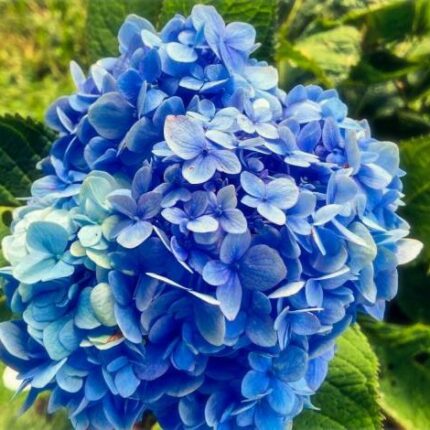
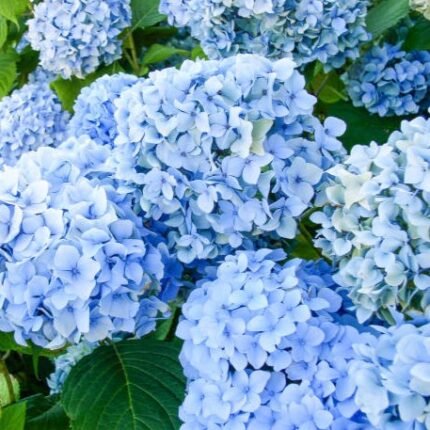
Hybrid Hydrangea Flower Plants – Blue
Hydrangeas are beloved ornamental shrubs known for their voluminous blooms and vibrant foliage. Originating from Asia and the Americas, these versatile plants thrive in various climates and soil conditions. Their large, showy flower clusters come in blue, pink, purple, or white, depending on soil pH and variety. With proper care, including regular watering and occasional pruning, hydrangeas add charm and elegance to gardens, landscapes, and floral arrangements.