
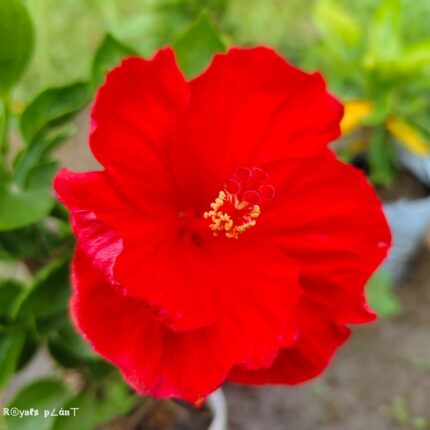
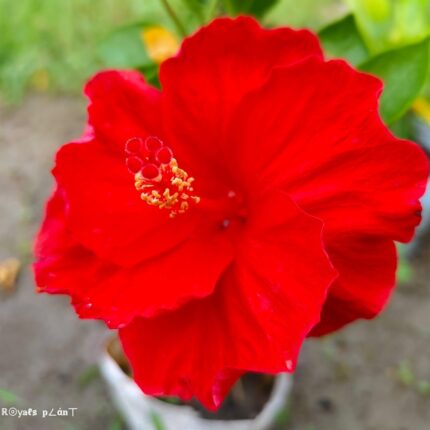
Brilliant RED Tropical Hibiscus Live Plant
Hibiscus, often admired for its vibrant and showy blossoms, is a genus encompassing hundreds of flowering plants belonging to the mallow family, Malvaceae. These plants can be found in various parts of the world, especially in tropical and subtropical regions. Known for their large, trumpet-shaped flowers, hibiscus blooms come in an array of colors, including red, pink, yellow, and white. Apart from their aesthetic appeal, some species of hibiscus are also cultivated for medicinal and culinary purposes. The plant's versatility extends beyond its beauty, making it a fascinating addition to gardens and landscapes.



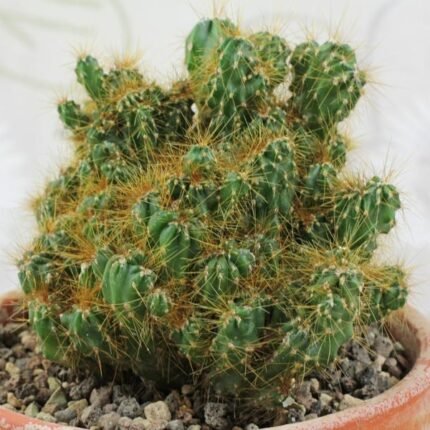

Cacti Cereus Repandus Petra Cactus ( Big Size)
Cereus repandus 'Petra' is a visually striking cultivar of the Cereus repandus cactus, known for its vibrant orange or red coloration. This columnar cactus, native to South America, features tall, ribbed stems and is cultivated for its ornamental appeal. 'Petra' requires well-draining soil, full sunlight, and a drying-out period between waterings. Its unique color makes it a popular choice for adding a splash of brightness to gardens, landscapes, or indoor spaces.
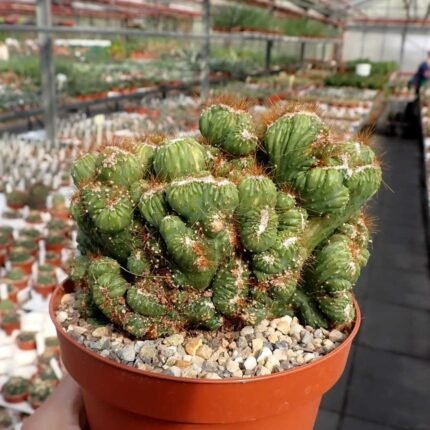
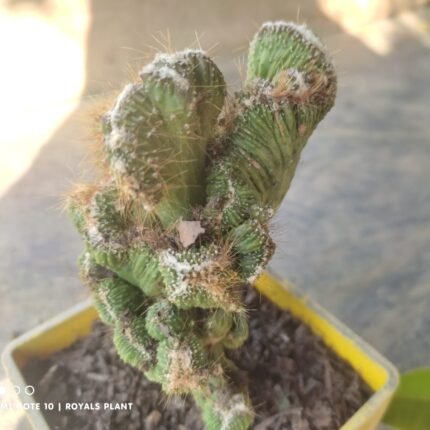
Cacti Cereus Repandus Petra Cactus ( Medium Size)
Cereus repandus 'Petra' is a visually striking cultivar of the Cereus repandus cactus, known for its vibrant orange or red coloration. This columnar cactus, native to South America, features tall, ribbed stems and is cultivated for its ornamental appeal. 'Petra' requires well-draining soil, full sunlight, and a drying-out period between waterings. Its unique color makes it a popular choice for adding a splash of brightness to gardens, landscapes, or indoor spaces.
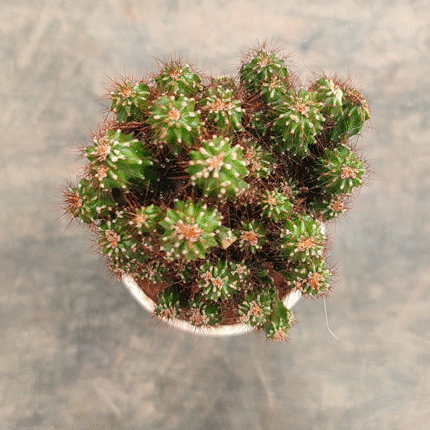
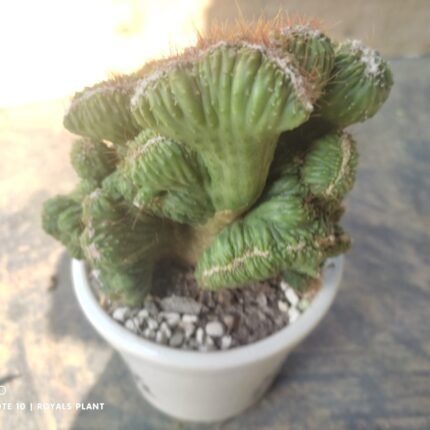
Cacti Cereus Repandus Petra Cactus ( Small Size)
Cereus repandus 'Petra' is a visually striking cultivar of the Cereus repandus cactus, known for its vibrant orange or red coloration. This columnar cactus, native to South America, features tall, ribbed stems and is cultivated for its ornamental appeal. 'Petra' requires well-draining soil, full sunlight, and a drying-out period between waterings. Its unique color makes it a popular choice for adding a splash of brightness to gardens, landscapes, or indoor spaces.
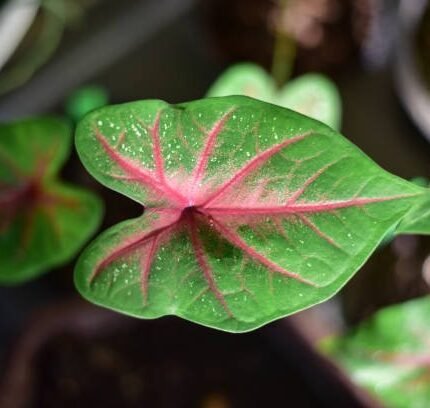
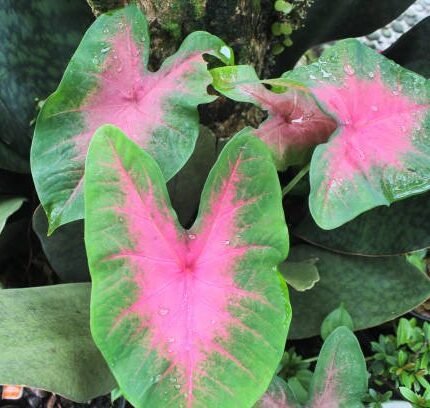
Caladium Bi-Colour Syngonium Plant
Syngonium plants, also known as arrowhead plants or nephthytis, are popular indoor plants valued for their attractive foliage and relatively easy care. Here are some key features and descriptions:
- Foliage: The most distinctive feature of Syngonium plants is their arrow-shaped leaves, which can vary in color and pattern depending on the species and cultivar. Common colors include shades of green, white, and pink. The leaves often have an interesting blend of colors and may change as the plant matures.
- Growth Habit: Syngonium plants typically start as compact, bushy plants and can eventually develop a climbing or trailing habit. They are known for their ability to produce long vines with multiple leaves along the stems.
- Light Requirements: These plants prefer bright, indirect light but can tolerate lower light conditions. Avoid direct sunlight, as it may scorch the leaves. They are versatile and can adapt to different light levels, making them suitable for various indoor spaces.
- Watering: Syngoniums like consistently moist soil but can tolerate short periods of drought. It's essential to allow the top inch of soil to dry out before watering again. Overwatering can lead to root rot, so it's crucial to find a balance.
- Temperature and Humidity: They thrive in warm and humid conditions but can adapt to average indoor temperatures. Avoid exposing them to drafts or sudden temperature changes.
- Soil: Well-draining potting mix with organic matter is ideal. A mix designed for aroids or tropical plants is suitable for Syngoniums.
- Propagation: These plants are relatively easy to propagate. You can propagate them through stem cuttings in water or soil. Cuttings develop roots quite readily.
- Toxicity: Syngonium plants contain calcium oxalate crystals, which can be irritating if ingested. Keep them away from curious pets and small children.
- Varieties: There are several Syngonium species and numerous hybrids and cultivars with different leaf shapes, sizes, and colors. Popular varieties include Syngonium podophyllum, commonly known as the arrowhead plant.

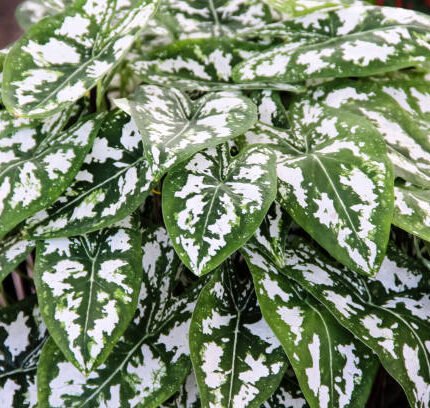
Caladium Humboldtii Plant
Syngonium plants, also known as arrowhead plants or nephthytis, are popular indoor plants valued for their attractive foliage and relatively easy care. Here are some key features and descriptions:
- Foliage: The most distinctive feature of Syngonium plants is their arrow-shaped leaves, which can vary in color and pattern depending on the species and cultivar. Common colors include shades of green, white, and pink. The leaves often have an interesting blend of colors and may change as the plant matures.
- Growth Habit: Syngonium plants typically start as compact, bushy plants and can eventually develop a climbing or trailing habit. They are known for their ability to produce long vines with multiple leaves along the stems.
- Light Requirements: These plants prefer bright, indirect light but can tolerate lower light conditions. Avoid direct sunlight, as it may scorch the leaves. They are versatile and can adapt to different light levels, making them suitable for various indoor spaces.
- Watering: Syngoniums like consistently moist soil but can tolerate short periods of drought. It's essential to allow the top inch of soil to dry out before watering again. Overwatering can lead to root rot, so it's crucial to find a balance.
- Temperature and Humidity: They thrive in warm and humid conditions but can adapt to average indoor temperatures. Avoid exposing them to drafts or sudden temperature changes.
- Soil: Well-draining potting mix with organic matter is ideal. A mix designed for aroids or tropical plants is suitable for Syngoniums.
- Propagation: These plants are relatively easy to propagate. You can propagate them through stem cuttings in water or soil. Cuttings develop roots quite readily.
- Toxicity: Syngonium plants contain calcium oxalate crystals, which can be irritating if ingested. Keep them away from curious pets and small children.
- Varieties: There are several Syngonium species and numerous hybrids and cultivars with different leaf shapes, sizes, and colors. Popular varieties include Syngonium podophyllum, commonly known as the arrowhead plant.